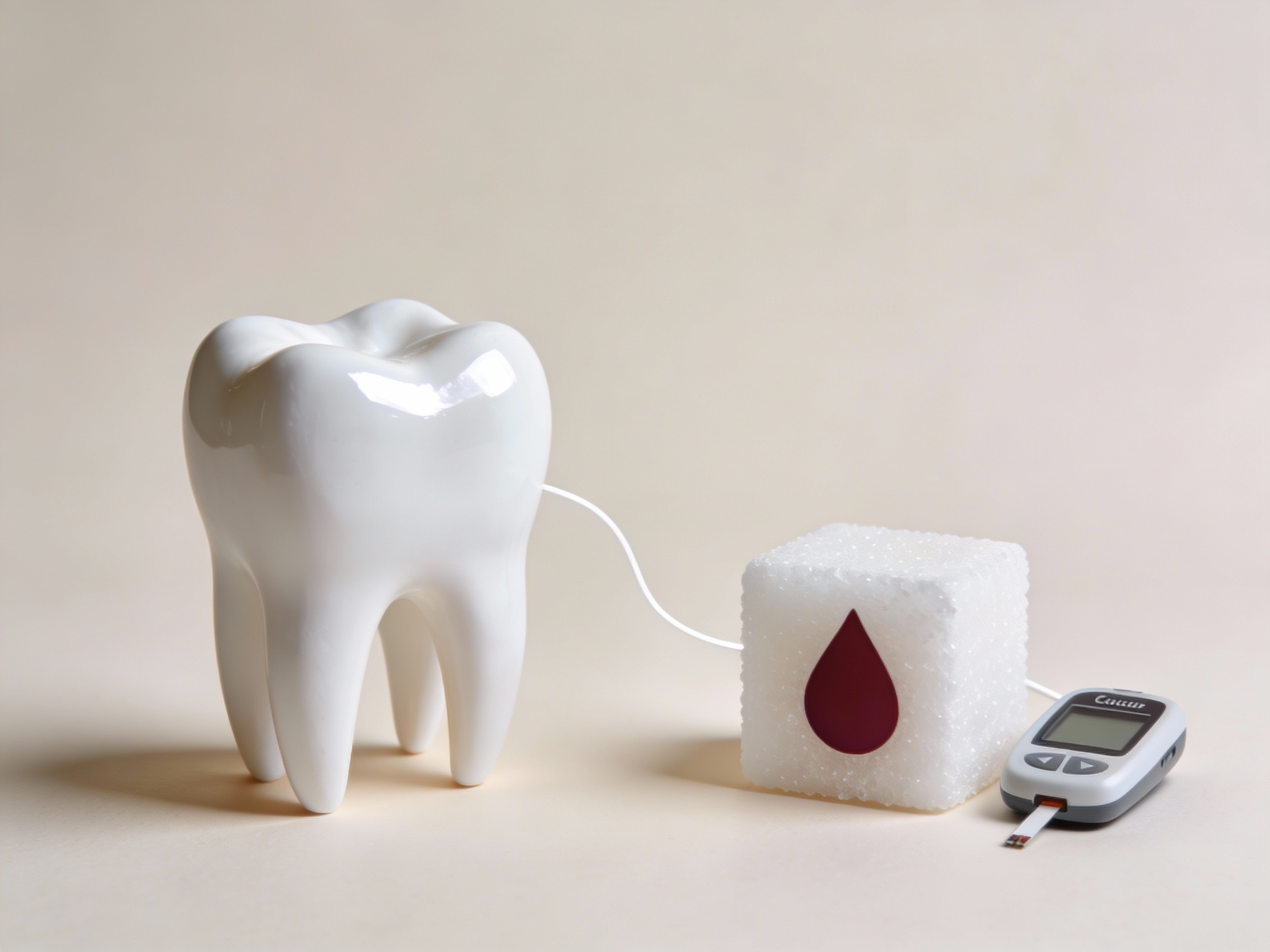

Diabetes affects more than your blood sugar. It can also have a serious impact on your mouth. Many people wonder, Does diabetes affect your teeth? The answer is yes. High blood sugar can damage gums, weaken teeth, and increase the risk of oral infections.
Taking care of your oral health is especially important if you have diabetes. Poor dental care can make it harder to control blood sugar, creating a cycle of health problems.
In this blog, you will learn:
- How diabetes affects your teeth, gums, and tongue.
- The common oral health problems linked to diabetes include diabetic tongue and diabetic mouth sores.
- Key signs and symptoms to watch for.
- Practical tips for preventing dental issues and protecting your smile.
- How Lincolnwood Family Dental can help diabetic patients maintain healthy teeth and gums.
Table of Contents
ToggleThe Role of Oral Health in Diabetes
Oral health problems are a major global concern, affecting around 3.5 billion people, more than the combined number of the top five non-communicable diseases.
- Severe gum disease (periodontitis) affects nearly 19% of adults worldwide, or 1 billion people.
- Tooth decay (dental caries) in permanent teeth impacts another 2 billion individuals.
In Hungary, one in three people suffers from oral issues like gingivitis and periodontitis. The country reports some of the highest rates of tooth decay in Europe, posing serious challenges for long-term oral health.
- Tooth loss (edentulism) is also widespread, affecting 30% of people aged 65+ and 40% of those aged 75+.
- These numbers reveal not only poor oral health but also deep social and economic inequalities.
Hungary also has the highest rate of oral cavity cancer in the European Union, 11.2 cases per 100,000 people.
- The mortality rate stands at 8.9 per 100,000 for men and 2.4 per 100,000 for women.
- Combined, Hungary ranks second-highest in Europe for oral cancer deaths, with about 3,000 new cases and 1,600 deaths each year.
The Connection Between Diabetes and Oral Health
- Diabetes increases gum disease risk. High blood sugar fuels bacterial growth and gum inflammation.
- Gum disease affects blood sugar control. Periodontal infections make it harder for the body to manage glucose.
- Treating gum disease can reduce HbA1c levels within 3–4 months, showing that oral care directly supports diabetes management.
Research shows:
- People with both diabetes and periodontitis often experience poorer long-term glycemic control and higher mortality rates, including from heart disease.
- Gum disease increases the risk of insulin resistance by 3.5 times due to inflammation caused by oral bacteria.
Inflamed gums are an early warning sign.
- Gingival bleeding signals the start of periodontal disease.
- As it progresses, tooth mobility results from the breakdown of the periodontal ligament and alveolar bone.
- These changes can lead to teeth breaking or even tooth loss.
Causes and Symptoms
When blood sugar isn’t well controlled, your mouth suffers. High glucose levels create a favorable environment for bacterial growth. This leads to infections, inflammation, and slow healing.
Key causes include:
- Uncontrolled blood sugar: Raises the risk of gum disease and infection.
- Weakened immune system: Makes it harder for your body to fight oral bacteria.
- Dry mouth: Caused by diabetes medications or dehydration.
- Poor oral hygiene: Increases plaque buildup and tooth decay.
- Gum disease: Can make blood sugar levels harder to manage, creating a two-way problem.
Symptoms to Watch for:
- Swollen or bleeding gums when brushing or flossing.
- Persistent dry mouth or a burning sensation.
- Sores or ulcers that heal slowly, known as diabetic mouth sores.
- Loose or fragile teeth are indicators of diabetes and tooth breaking.
- White patches, bad taste, or bad breath.
What Oral Health Problems Are Associated with Diabetes?
Diabetes can affect your mouth in several ways. When blood sugar levels stay high, it increases the risk of infections, slow healing, and tooth problems.
Here are the most common oral issues linked to diabetes:
Dry Mouth
Low saliva flow is common with uncontrolled diabetes. It causes soreness, ulcers, diabetic mouth sores, and tooth decay. Saliva protects your teeth, and without it, bacteria grow faster and damage the enamel.
Gum Inflammation (Gingivitis and Periodontitis)
Diabetes thickens blood vessels and weakens white blood cells. This slows the body’s ability to deliver nutrients and remove waste. As a result, gum infections become more frequent and severe.
Poor Healing
Cuts or wounds in the mouth heal slowly. After dental procedures, diabetics may take longer to recover because blood flow is reduced.
Thrush (Oral Fungal Infection)
High sugar levels in saliva feed the fungus, leading to white patches on the tongue or inner cheeks. People with dentures or those who take antibiotics are often more prone to this condition.
Burning Mouth or Tongue
A common symptom of thrush, and sometimes referred to as diabetic tongue, causes discomfort and sensitivity.
Smoking and Diabetes
Smokers with diabetes are up to 20 times more likely to develop gum disease or fungal infections. Smoking also slows healing and worsens blood flow to the gums.
Prevention and Oral Care Tips
Managing diabetes means caring for your mouth, too. Good oral hygiene helps prevent infections, gum disease, and diabetic mouth sores. Here’s how you can protect your teeth and gums effectively:
Control Your Blood Sugar
- Keep your blood sugar as close to normal as possible.
- Know your HbA1C level and aim for under 7% for good control.
- Share your diabetes status with your dentist at every visit.
- If you’ve had low blood sugar (insulin reaction) before, tell your dentist when it last happened and how often it occurs.
Coordinate with Your Doctor and Dentist
- Talk to your doctor before scheduling periodontal or oral surgery.
- Ask if you need antibiotics or insulin adjustments before a procedure.
- Give your dentist your doctor’s contact information in case of emergencies.
Share Medication Details
- Bring a list of all medicines you take with the name, dose, and frequency.
- If a serious infection occurs, your insulin dose may need to be adjusted.
Manage Dental Treatments Wisely
- Postpone nonurgent dental procedures if your blood sugar isn’t stable.
- Treat infections like abscesses immediately.
- Healing takes longer for diabetics, so follow post-treatment care carefully.
Handle Orthodontic Issues Promptly
If braces or wires cut your mouth or tongue, contact your orthodontist right away to prevent sores or infections.
How Lincolnwood Family Dental Can Help
When you come to Lincolnwood Family Dental, we treat your oral health as part of your full-body health. We understand how diabetes and teeth are linked. Our team is trained to care for patients with chronic conditions such as diabetes.
Our Expertise in Diabetes-Aware Oral Care
- We use gentle techniques to reduce stress on the gum tissues.
- We follow strict infection control protocols to minimize risks.
- We tailor treatments based on your blood sugar, medications, and healing ability.
- We guide you with home care advice that helps prevent diabetic mouth sores and gum problems.
Core Services We Offer
- Preventive dentistry: Help prevent plaque and gum inflammation before they become serious.
- Gum disease treatment: Scaling, root planing, and deeper cleanings to control infection.
- Dental restorations: Fillings, crowns, or bridges are performed with attention to healing and tissue health.
- Patient education: We teach you the right brushing, flossing, and rinsing techniques for your condition.
Schedule a Consultation
You don’t have to face diabetes-related oral challenges alone. Let us help you protect your smile. Contact Lincolnwood Family Dental today to book a consultation. We’ll assess your needs, listen to your concerns, and build a care plan that respects your diabetes and supports strong oral health.
Conclusion
Your mouth and body are connected. Uncontrolled blood sugar can lead to gum infections, diabetic tongue, and even tooth loss. But with the right care, you can prevent most of these problems.
Regular dental visits, daily hygiene, and blood sugar control all work together to protect your smile. At Lincolnwood Family Dental, we understand the link between diabetes and teeth and provide care tailored to your needs.
Stay proactive. Don’t wait for pain or swelling to appear. Early care keeps your mouth healthy and helps you maintain balanced blood sugar. Schedule your visit today with Lincolnwood Family Dental and take the next step toward a healthier smile and a healthier you.
Frequently Asked Questions
Can diabetes cause changes in taste?
Yes. High blood sugar and dry mouth can alter your taste perception. Foods may taste sweeter, metallic, or bland. Maintaining oral hygiene and blood sugar control can reduce these changes.
Are diabetic patients more prone to oral infections?
Yes. Uncontrolled diabetes increases the risk of bacterial and fungal infections. Diabetic mouth sores and thrush are common examples. Proper cleaning and regular dental visits help prevent them.
How can I reduce the risk of diabetic tongue?
Stay hydrated, control blood sugar, and avoid tobacco. Brushing your tongue gently and using an antibacterial rinse can also help prevent irritation and fungal growth.
Does stress affect oral health in diabetics?
Yes. Stress raises blood sugar levels and weakens the immune system. This increases the chance of gum disease, slow healing, and mouth sores. Relaxation techniques and consistent oral care can reduce these effects.
Can sugar-free toothpaste affect blood sugar tests?
No. Sugar-free toothpaste does not affect your glucose readings. However, it’s wise to rinse your mouth before testing to avoid contamination from food or drinks.