
Discover why fresh breath sometimes hides deeper health clues. Bad breath, also called halitosis, is not always caused by poor brushing habits. It can occur even when you brush every day. Many health issues can cause it, such as dry mouth, acid reflux, or infections elsewhere in your body.
Patients need to remember that persistent bad breath is common and treatable. This reassurance can help alleviate anxiety and encourage them to seek professional help. The treatment depends on the exact cause. If your bad breath is constant, it’s important to see a dentist. They can examine your mouth, gums, and overall oral health to determine the cause.
Table of Contents
ToggleSymptoms of Bad Breath (Halitosis)
Halitosis means your breath smells unpleasant. Sometimes it may smell like coffee, especially after drinking a strong cup. Bad breath caused by long-term issues can have a fishy or rotten-egg odour. It may also have a sour or oddly sweet smell.
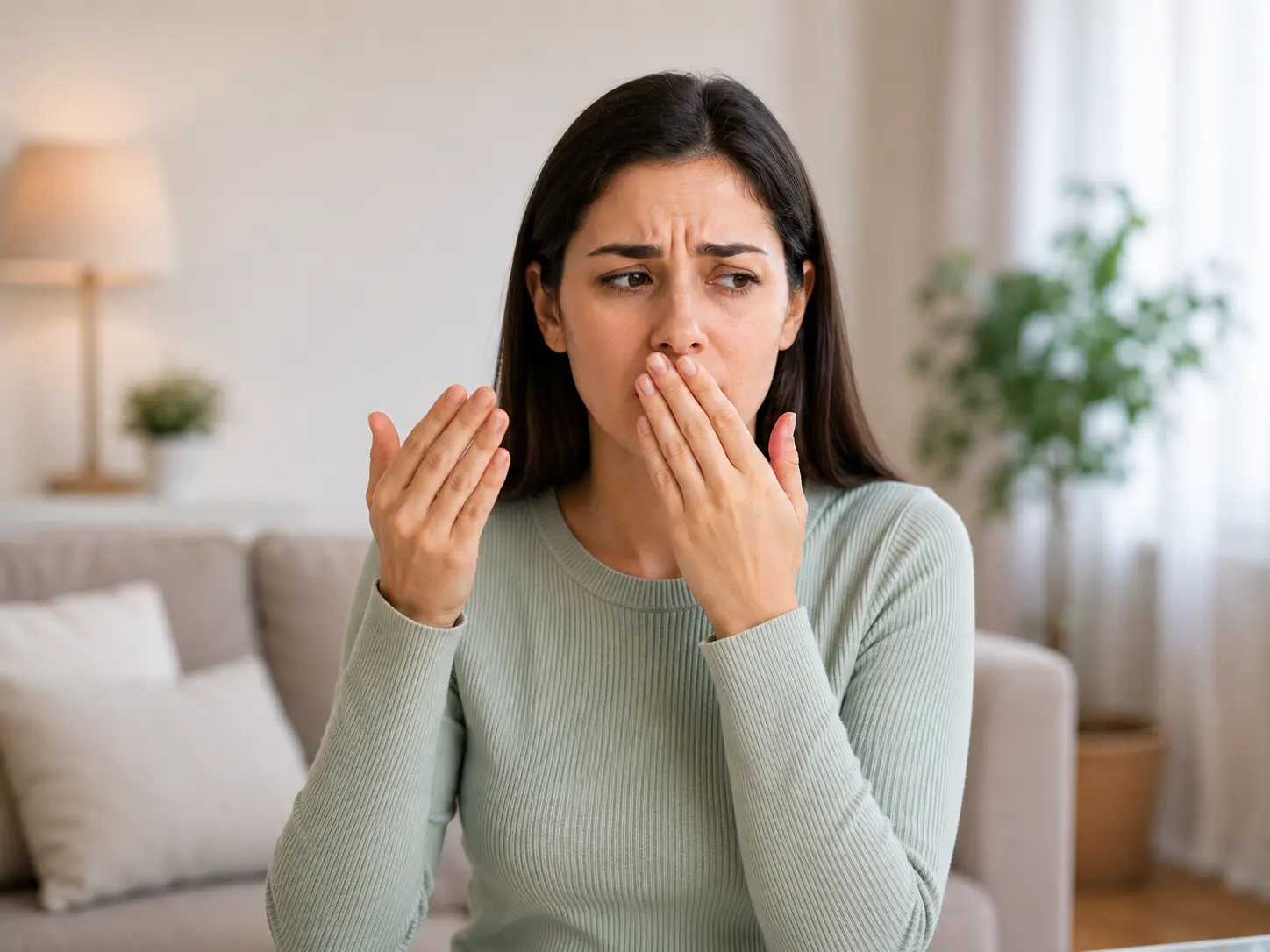
It’s hard to check your own breath by breathing into your hand. This method is not accurate. It’s better to ask someone you trust for honest feedback.
Another simple clue is taste. If you often have a bad taste in your mouth, your breath likely smells bad, too.
What Causes Bad Breath
The truth is that halitosis has many causes. Poor oral hygiene is the most common reason. When you don’t brush, floss, or get regular dental cleanings, harmful bacteria build up. These bacteria cause halitosis after brushing and can also lead to cavities and periodontal disease. Over time, neglecting these conditions can lead to tooth loss and other serious dental complications, underscoring the importance of preventive care.
Other Causes of Bad Breath
Dry mouth
Saliva plays a crucial role in maintaining oral health and freshness. When saliva production is low, it starts a chain reaction: the lack of saliva results in sticky food debris that remains in the mouth, leading to a bacterial bloom. These bacteria then produce sulfur compounds that cause a malodor. This sequence of events is often the reason why your breath still smells even after brushing. Common causes of dry mouth include medications, various health conditions, and smoking.
Gum disease
Plaque on your teeth and tongue can lead to gingivitis. If untreated, it can turn into periodontitis. This often causes bad breath even after brushing. However, when detected early, gingivitis can heal within weeks, reversing the condition and maintaining fresh breath.
Tonsil stones
Food can get trapped in your tonsils. It hardens into smelly deposits, causing bad breath after brushing.
Nose, throat, or lung infections
These infections create foul-smelling mucus. It drips into your throat and affects your breath.
Diabetes
Diabetes increases gum disease risk. It may also cause fruity-smelling breath.
GERD (acid reflux)
Stomach acid moves up into your mouth, which can explain why your breath smells after brushing or tastes sour. Stomach acid moves up into your mouth, which can explain why your breath smells after brushing or tastes sour. Common lifestyle triggers, such as eating late-night meals or consuming caffeine, can exacerbate acid reflux. By identifying these habits, readers might better relate to their experiences and understand how simple adjustments could alleviate their symptoms.
Head and neck cancers
These can change tissue health in the mouth and cause strong odours.
Kidney or liver disease
When these organs cannot filter toxins, waste odour can appear in your breath.
Smoking
Smoking dries your mouth and disrupts healthy bacteria. It is a major reason your breath still smells bad after toothbrushing.
Why Does My Breath Still Smell After Brushing?
Many people wonder, “Why does my mouth smell bad even after brushing?” or “Why does my breath still smell after brushing?” The truth is that brushing helps reduce bacteria, but it cannot fix every cause of bad breath.
Brushing removes bacteria and food debris from your teeth and gums. These bacteria create sulfur compounds that cause odour. However, brushing alone does not address odour arising from deeper issues or underlying health conditions, so that bad breath may persist.
Here are the main reasons your breath may still stink after brushing your teeth:
Cavities and Gum Disease
Bacteria hide inside cavities where your toothbrush can’t reach. They also hide in deep gum pockets caused by gum disease.
Dry Mouth
Saliva cleans the mouth, removes bacteria, and keeps tissues moist. When you have dry mouth, bacteria grow faster and create strong odours. This explains why your mouth smells bad even after brushing. Medications, tobacco, alcohol, or dehydration can cause dry mouth.
Acid Reflux (GERD)
GERD pushes stomach acid and undigested food back into your throat. This produces a sour taste and halitosis even after brushing. Many people with acid reflux notice this problem daily.
Underlying Health Conditions
Changes in body chemistry can affect your breath. Conditions like diabetes, kidney failure, liver failure, peptic ulcers, and intestinal blockages can cause strong odours.
Certain Foods
Foods such as onions and garlic can remain in your system long after consumption. Garlic odour can persist for more than a day because its compounds enter the bloodstream and reach the lungs. Brushing cannot remove this smell quickly. For a better understanding, read this guide to know which foods naturally whiten teeth.
Postnasal Drip
Mucus dripping into your throat traps bacteria. This produces an odour that leads to bad breath after brushing. Colds, sinus infections, flu, and strep throat can all cause postnasal drip.
Natural Remedies for Bad Breath
Most bad breath starts inside the mouth. Bacteria feed on tiny food particles that stay stuck between your teeth. This produces sulfur compounds that cause odour. Foods like onions and garlic can also make your breath smell bad, even after brushing. Their oils enter the bloodstream and reach the lungs, affecting how you exhale.
The good news? You can manage bad breath at home with simple, natural remedies. These methods support overall oral health and help reduce bad breath after brushing.
Drink Water
Your body needs water to stay healthy. Aim for six to eight glasses a day. Water washes away food bits that bacteria feed on. It also dilutes acids that harm your enamel. This helps keep your mouth fresh and reduces the chance of bad breath, even after brushing.
Clean Your Tongue
Bacteria collect on your tongue, too. Brush your tongue each time you brush your teeth. Rinse your mouth and toothbrush well afterwards.
Rinse With Warm Salt Water
Salt water kills bacteria and reduces inflammation. Mix 8 ounces of warm water with ¼–½ teaspoon salt. Swish for 30 seconds and spit. It helps with bad breath, sore throat, plaque, and gum disease. Do not swallow the mixture.
Swish or Drink Apple Cider Vinegar
Apple cider vinegar helps control odour-causing bacteria and maintain a balanced pH. Drink one tablespoon diluted in water before meals to reduce indigestion-based odour. To combat garlic- or onion-breath, swish vinegar mixed with water for 30 seconds, then spit.
Chew Cloves or Fresh Herbs
Cloves freshen breath and fight bacteria. Chew whole cloves, but avoid clove oil or powder as they can irritate your mouth. Fresh herbs like parsley, mint, basil, rosemary, or cardamom also help mask odour quickly. They are great before meetings or social events.
Baking Soda Rinse
A baking soda rinse is a gentle alternative to strong mouthwashes. Mix two teaspoons of baking soda with 1 cup of warm water. Swish for 30 seconds and spit. This helps neutralise acids and reduce bad breath after brushing.
Signs You Need to Visit a Dentist
Picture this: You’re getting ready for an important job interview or meeting someone for the first time. You hesitate for a moment, wondering if your breath is fresh enough. Such everyday situations can prompt us to reflect on the importance of our breath. Sometimes bad breath after brushing is a sign that you need professional help. Here are clear signs you shouldn’t ignore:
- Persistent bad breath that does not go away, even after brushing, flossing, or using mouthwash.
- A constant bad taste in your mouth. This can be a warning sign of infection or tooth decay.
- Bleeding, swollen, or tender gums. If your gums hurt when brushing or flossing, it may be gum disease.
- Persistent dry mouth. This can happen due to medication or salivary gland issues and often leads to bad breath.
- Mouth sores, lumps, or patches that don’t heal. These should be checked immediately, as they may indicate a serious condition.
- Dentures, braces, or appliances that are dirty or don’t fit well. Poorly cleaned appliances can cause bad breath even after brushing.
How Lincolnwood Family Dental Can Help
Bad breath treatment usually starts with dental care. At Lincolnwood Family Dental, we offer services that help treat the causes of bad breath, including:
- Professional dental cleanings to remove plaque and tartar
- Treatment for gum disease
- Cavity fillings to remove decay.
- Tongue cleaning guidance and oral hygiene coaching
- Dry mouth management
- Evaluation for infections, GERD-related symptoms, or other oral issues
These treatments address common causes of bad breath after brushing and help you achieve fresh breath again.
Lincolnwood Family Dental is a modern practice focused on comfort and clarity. We provide high-quality general and cosmetic dentistry for patients of all ages. Each visit is designed to feel easy and stress-free.
We offer preventive care, cleanings, fillings, cosmetic treatments, and restorative dentistry. Every treatment plan is personalised, so you get exactly what your smile needs.
Our team uses the latest technology and proven methods to ensure safe, effective care. Whether you come in for a routine examination or a more advanced procedure, we aim to provide you with the best experience from start to finish.
Frequently Asked Questions
Can stress cause bad breath even if I brush regularly?
The short answer: absolutely. Yes, stress can reduce saliva flow, leading to dry mouth. With less saliva, bacteria grow faster and cause odour. This is why your breath may smell even after brushing. Managing stress and staying hydrated can help improve breath freshness.
Can dehydration make my breath smell bad after brushing?
Definitely. Yes. When you’re dehydrated, your mouth produces less saliva. This creates a dry environment in which bacteria thrive, causing halitosis even after brushing. Drinking enough water throughout the day supports better oral health and reduces odour.
Can mouth breathing at night cause morning bad breath?
Indeed, it can. Yes. Sleeping with your mouth open dries out your mouth. This allows bacteria to multiply overnight. Even after brushing in the morning, your breath may still smell bad because dryness affects saliva flow and natural cleaning.
Does diet affect bad breath even if I maintain good oral hygiene?
Without a doubt. Yes. High-protein diets, strong spices, coffee, alcohol, and sugary foods can lead to odour. These foods alter bacterial levels or release compounds that persist, causing bad breath even after brushing. Adjusting your diet may help.
Can allergies or seasonal changes worsen bad breath?
Certainly. Yes. Allergies can cause postnasal drip, throat dryness, and mouth breathing. These conditions increase bacterial growth and odour. Even after brushing, your breath may still smell bad if allergies or sinus issues are active.