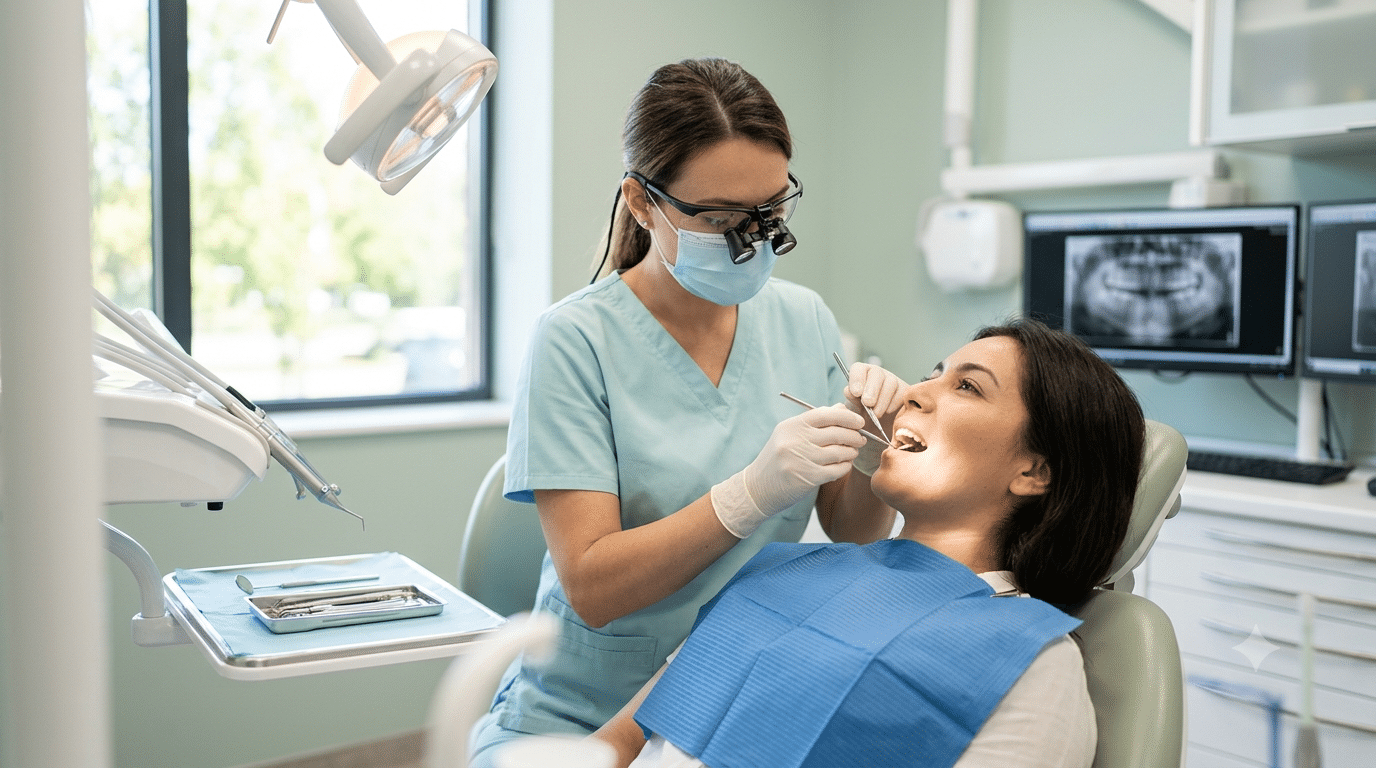


The best age for braces depends on dental development, bite concerns, and long-term oral health goals. Many parents and adults ask what age is ideal for braces and whether timing affects results. This blog explains how braces work, the conditions they treat, and the stages of orthodontic care. It also outlines when early evaluation is helpful, how treatment differs by age, and how orthodontic planning supports healthier, properly aligned teeth at any stage of life.
Table of Contents
ToggleWhat are Braces
Dental braces are orthodontic devices used to straighten teeth and correct alignment problems. They apply steady pressure to move teeth into proper positions over time.
Braces are used to treat:
- Crooked teeth
- Crowded teeth
- Gapped teeth
- Malocclusion, where teeth do not fit together correctly
Braces are common in children and teenagers, but adults also seek treatment. About 20% of orthodontic patients in the United States are over age 18.
If you are wondering what age is appropriate for braces, treatment can begin in childhood or adulthood, depending on your dental needs. Orthodontists usually place braces. Some general dentists also provide orthodontic treatment.
Types of Braces
There are several types of braces, and the right option depends on your dental condition, treatment complexity, and personal preference. Your dentist or orthodontist helps determine the best age for braces and the most suitable type.
Metal Braces
Metal braces are the most common and traditional option. They use stainless steel brackets, wires, and elastic bands to move teeth into position gradually.
Key features:
- Highly effective for complex alignment issues
- Visible on the teeth
- Elastic bands can be clear, tooth-colored, or colourful
Ceramic Braces
Ceramic braces work like metal braces but use tooth-colored materials. They blend better with natural teeth and are less noticeable.
Key features:
- More discreet than metal braces
- Effective for moderate to complex issues
- More fragile and prone to breakage
Lingual Braces
Lingual braces function like traditional braces but are placed on the back of the teeth. They remain hidden when you smile.
Key features:
- Not visible from the front
- Customised for each patient
- May feel uncomfortable initially
Self-Ligating Braces
Self-ligating braces resemble metal braces but do not use elastic bands. A built-in mechanism holds the wire in place.
Key features:
- Fewer adjustments needed
- Reduced friction on teeth
- Similar appearance to metal braces
Clear Aligners
Clear aligners are removable trays that gradually straighten teeth. They are often chosen by teens and adults concerned about appearance.
Key features:
- Nearly invisible
- Removable for eating and cleaning
- Must be worn at least 22 hours daily
For patients asking what age is ideal for braces, most options are available for both teens and adults, depending on oral health and compliance.
Early Orthodontic Evaluation (Age 7–8)
An orthodontic evaluation by age 7 helps identify alignment and jaw issues early. This timing supports better planning before permanent teeth fully develop.
Why age seven is recommended:
- Jaw growth can still be guided
- Bite problems are easier to detect
- Future treatment can be simplified
Problems detected early:
- Crowding or spacing issues
- Bite misalignment
- Impacted or missing teeth
- Jaw growth concerns
Monitoring vs early treatment:
- Mild issues may only need observation
- Growth-related problems may benefit from early appliances
- Early care can reduce the need for complex treatment later
Signs Your Child May Need Braces
Certain signs indicate a child may benefit from orthodontic evaluation. These signs help parents determine when a braces assessment is appropriate.
Common signs include:
- Early or late loss of baby teeth
- Mouth breathing or thumb-sucking
- Difficulty chewing or biting food
- Jaw shifting, clicking, or discomfort
- Teeth that protrude, overlap, or appear crowded
Teeth Conditions Treated by Braces
Braces correct misalignment and bite problems that affect oral health, appearance, and function. Understanding these conditions helps determine the appropriate age for braces and the best age based on severity.
Crowded Teeth
Crowded teeth occur when there is not enough space in the jaw, causing teeth to overlap or twist.
Causes include:
- Genetics or jaw size
- Thumb-sucking or prolonged pacifier use
- Late loss of baby teeth
Common signs:
- Crooked or twisted teeth
- Difficulty brushing or flossing
- Protruding front teeth
- Jaw discomfort
Oral health impact:
- Higher risk of cavities and gum disease
- Uneven tooth wear
- Speech issues and jaw tension
How braces help:
- Gradually shift teeth into proper alignment
- Severe cases may require tooth extraction
- Treatment usually lasts 12 to 24 months
Overbite
An overbite occurs when the upper front teeth excessively overlap the lower teeth.
Common signs:
- Jaw pain
- Excessive tooth wear
- Speech difficulties
How braces help:
- Reposition teeth and improve bite alignment
- Treated with metal, ceramic, lingual braces, or clear aligners
Underbite
An underbite happens when the lower jaw extends beyond the upper jaw.
Common signs:
- Reverse overjet
- Protruding lower jaw
- Difficulty chewing or speaking
- Facial imbalance
How braces help:
- Align teeth and improve bite function
- Severe cases may require braces combined with surgery
Crossbite
A crossbite occurs when the upper and lower teeth do not align correctly when biting down.
Common signs:
- Jaw pain
- Uneven tooth wear
- Speech issues
- Facial asymmetry
How braces help:
- Apply controlled pressure to realign teeth
- Severe cases may require palatal expanders or face masks
Open Bite
An open bite occurs when front or back teeth do not touch when the mouth is closed.
Common signs:
- Speech problems
- Difficulty chewing
- Jaw tension
- Unbalanced smile
How braces help:
- Reposition teeth for proper contact
- Treated with braces or clear aligners
Right Age for Braces
There is no maximum age for braces, but the ideal age range is typically 9 to 14. During this stage, the jaw and facial bones are still developing and respond more easily to treatment.
For parents asking what age is ideal for braces, early evaluation allows orthodontists to guide proper tooth and jaw growth.
Braces are also effective for adults. Treatment may take longer because bone growth is complete, but outcomes remain predictable and successful.
Different Phases of Orthodontic Treatment
Orthodontic treatment is completed in structured phases to ensure safe, effective, and predictable results. Understanding these stages helps determine the best age for braces and sets clear expectations.
Phase 1: Pre-Braces
This phase focuses on evaluation, planning, and preparation before braces are placed.
First Consultation
The orthodontist examines tooth alignment and bite. Tooth and gum health are also assessed to confirm readiness for treatment.
X-Rays
X-rays reveal tooth roots, jaw bones, and hidden issues. Gum disease or impacted teeth must be addressed before braces are applied.
Second Consultation
Photos and digital scans are taken. All findings inform a detailed treatment plan.
Treatment Plan Discussion
The orthodontist explains the available options, including metal, ceramic, lingual, and clear aligners. The plan outlines stages, duration, and expectations.
Expanders
Some younger patients need expanders to widen the jaw. This creates space for teeth and may prevent extractions.
Dental Visit
Patients needing extractions visit their regular dentist. Braces are placed at least two weeks after extractions. All patients should complete a cleaning before braces.
Separators
Rubber separators are placed one week before the braces are fitted. They create space for metal bands on the back teeth.
Phase 2: Active Treatment
This is when teeth are gradually moved into proper alignment.
Step One: Braces Placement
Brackets are bonded to teeth and connected with archwires. Mild soreness is expected within a few hours. Patients receive brushing and flossing guidance and return in about one week for a progress check.
Alignment Stage
Teeth are levelled and aligned. Adjustments are scheduled every four to eight weeks to maintain movement.
Step Two: Bite Correction
Overbite, underbite, crossbite, or spacing issues are corrected. Elastics, springs, or other appliances may be used. Additional X-rays may be taken to confirm root positioning.
Step Three: Fine-Tuning
Final adjustments refine alignment and bite. The goal is optimal tooth position and balance.
Retainers and Braces Removal
Braces are removed once treatment is complete. Teeth are cleaned and polished. Fixed retainers may be placed the same day. Impressions are taken for removable retainers to maintain results over the long term.
Why Choose Lincolnwood Family Dental for Orthodontic Treatment
Lincolnwood Family Dental provides orthodontic care focused on comfort, clarity, and accurate diagnosis. The team uses modern tools, including digital X-rays, to plan safe and effective treatment.
Patients of all ages receive care in a friendly, family-centred environment. Every procedure is explained clearly so patients understand their options and outcomes.
Comprehensive dental services include:
- Preventive and general dentistry
- Kids dentistry and emergency care
- Invisalign and other orthodontic solutions
- Dental implants and wisdom teeth removal
- Crowns, veneers, dentures, and cosmetic dentistry
These services support patients with routine needs and complex alignment concerns. Care plans are tailored for issues ranging from mildly crooked teeth to advanced bite problems.
Digital imaging helps patients visualise oral health concerns. This makes it easier to understand alignment issues and determine the appropriate orthodontic approach.
Insurance and payment support includes:
- In-network with all PPO providers
- Coverage support for Aetna, Blue Cross Blue Shield, Cigna, Delta Dental, MetLife, United Healthcare, and more
- Assistance to help patients maximise insurance benefits
For patients without insurance, limited-time new-patient specials are available for $19, $79, and $89.
The women-led team prioritises patient education and personalised care. This approach helps patients determine the appropriate age for braces and select treatment with confidence.
Frequently Asked Questions
How Long Do Braces Take?
Braces typically take 12 to 24 months, depending on individual needs. Treatment length varies based on several clinical factors.
Do braces change face shape?
Braces can subtly improve facial balance by correcting bite alignment, especially when treatment begins during growth phases.
Can braces affect speech temporarily?
Some patients notice minor speech changes at first, especially with lingual braces or aligners. This usually improves within days.
Are braces safe for patients with crowns or fillings?
Yes. Braces can be used with existing dental work, but treatment plans may be adjusted to protect restorations.
What happens if a bracket or wire breaks?
Broken brace parts should be checked promptly to prevent treatment delays. Temporary discomfort is common but manageable.