
You look in the mirror and notice your smile is not as bright as it used to be. Coffee, tea, red wine, or just aging has stained your teeth over the years. You want that confident, white smile back, but there is one big problem. Your teeth are sensitive.
Even drinking cold water makes you wince. The thought of professional teeth whitening scares you. Will it hurt? Will your sensitivity get worse? Is it even safe?
These are questions many people ask. If you have sensitive teeth, you are not alone in worrying about whitening treatments. The good news is that professional teeth whitening can be safe for sensitive teeth when done correctly. Let me explain everything you need to know.
Table of Contents
ToggleUnderstanding Tooth Sensitivity
Before we talk about whitening, let us understand why your teeth feel sensitive in the first place.
Your teeth have layers. The outer layer is enamel, which is hard and protective. Under that is dentin, which contains tiny tubes leading to the nerve of your tooth. When enamel wears down or gums recede, these tubes get exposed. Hot, cold, sweet, or acidic foods can reach the nerve through these tubes. That is what causes the sharp pain.
Many things cause sensitivity. Brushing too hard wears away enamel. Grinding your teeth at night damages them. Acidic foods and drinks erode the protective layer. Gum disease exposes tooth roots. Even using whitening toothpaste too much can temporarily increase sensitivity.
The point is, if you already have sensitive teeth, you need to be careful about any dental treatment. Professional teeth whitening is no exception.
How Professional Teeth Whitening Works
Professional teeth whitening treatment uses stronger bleaching agents than drugstore products. The most common active ingredients are hydrogen peroxide or carbamide peroxide. These chemicals break down stains on your teeth.
When you get professional teeth whitening at the dentist, the concentration of peroxide is much higher than what you find in strips or toothpaste. This is why professional treatments work faster and give better results. One dental session can lighten your teeth several shades.
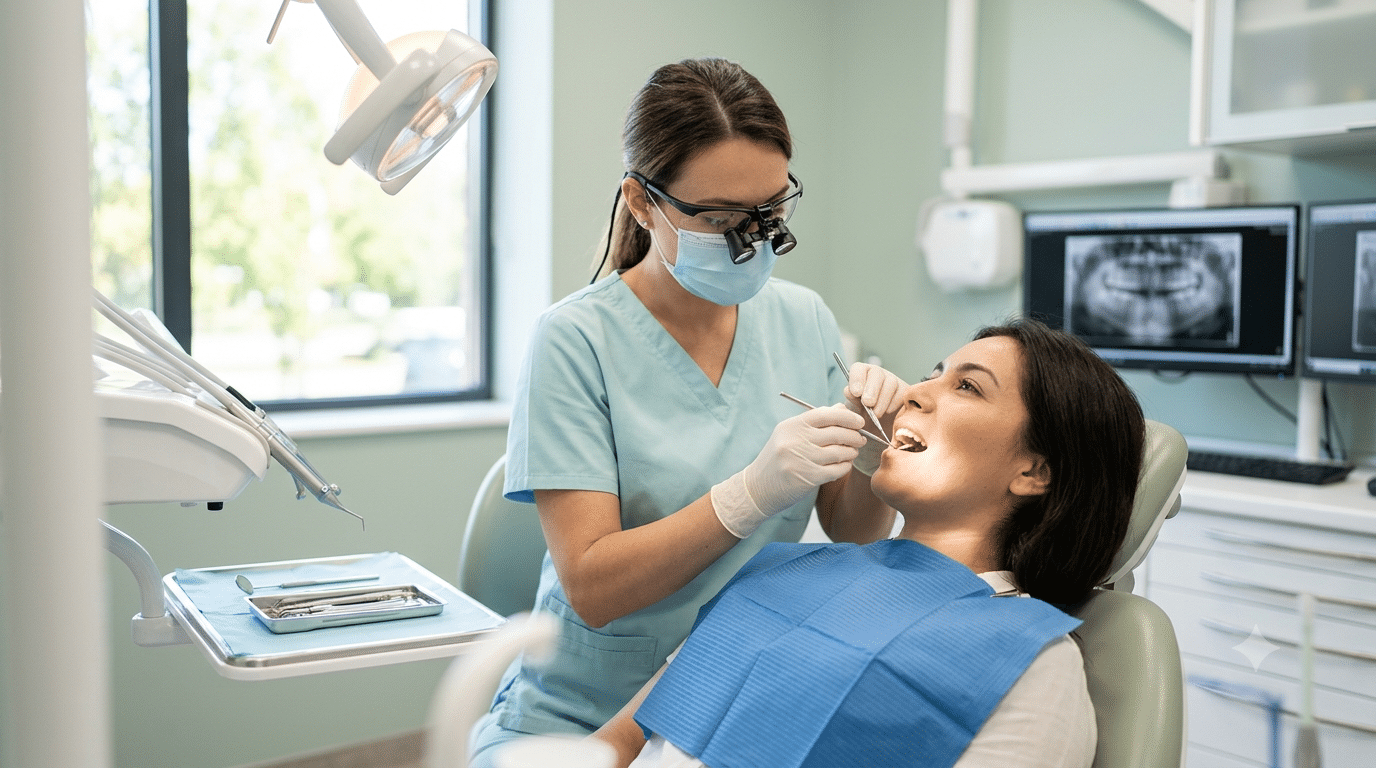
Here is what typically happens during the procedure. Your dentist applies a protective barrier to your gums. This keeps the whitening gel from touching your soft tissue. Then they carefully apply the whitening gel to your teeth. Sometimes a special light activates the gel, speeding up the process. You sit for about 15 to 30 minutes while the gel works. The dentist may repeat this process several times during one visit.
The whole appointment usually takes an hour or less. You walk out with noticeably whiter teeth.
But what about the sensitivity question?
Is Professional Teeth Whitening Safe for Sensitive Teeth?
A clinical study from the National Institutes of Health found that 10% carbamide peroxide caused significantly less tooth sensitivity than higher concentrations or in-office treatments, while delivering equally effective whitening results. This scientific evidence supports the use of lower-concentration products for patients with sensitive teeth.
First, you need to talk to your dentist before getting any whitening treatment. Not after you experience problems, but before you even start. Your dentist needs to examine your teeth and understand why they are sensitive.
Sometimes the cause of sensitivity needs to be treated first. If you have cavities, they need to be filled before whitening. If gum disease is causing your sensitivity, that requires treatment. If your enamel is severely worn, whitening might not be the best choice right now.
Your dentist can determine if professional teeth whitening is safe for your specific situation. They can also customize the treatment to minimize discomfort.
The safety of professional teeth whitening for sensitive teeth depends on proper assessment and technique. A qualified dentist knows how to adjust the treatment. They can use lower concentrations of whitening agents. They can reduce treatment time. They can space out sessions to give your teeth time to recover.
This is very different from using over-the-counter whitening products. Those come in one standard strength. They do not account for your individual sensitivity level. That is why professional teeth whitening is safe when done by a dentist, even if store-bought products caused you problems before.
What Makes Professional Whitening Safer Than DIY Methods
Walking into a pharmacy, you see dozens of whitening products. Strips, gels, trays, toothpastes, and more. They all promise whiter teeth. Some people with sensitive teeth try these first because they seem less intimidating than going to the dentist.
But here is the reality. DIY whitening products can actually be worse for sensitive teeth.
Why? Because they are not customized to you. The trays do not fit your mouth perfectly, so that the gel can leak onto your gums. You might use them too often because the instructions are unclear. The concentration might be wrong for your sensitivity level. You have no professional monitoring your progress or managing side effects.
A professional teeth whitening treatment offers several advantages. Your dentist creates custom trays that fit your teeth exactly. The whitening gel stays where it should. Your gums and soft tissues are protected. The solution’s strength is chosen specifically for you.
If you do experience sensitivity during professional treatment, your dentist can stop immediately. They can apply desensitizing agents right away. They can adjust the treatment plan for your next session. You have expert care throughout the entire process.
When you use drugstore products at home, you are on your own. If your teeth start hurting badly, you have to stop and deal with it. No one is there to help manage the sensitivity or ensure your teeth are not being damaged.
This is why many people with sensitive teeth have better experiences with professional teeth whitening than with DIY products. The professional approach takes your sensitivity into account from the very beginning.
Managing Sensitivity During and After Whitening
Even with all precautions, some people do experience temporary sensitivity during professional teeth whitening. The good news is this sensitivity usually goes away quickly. For most people, it lasts only a day or two after treatment.
But there are things you can do to minimize discomfort.
- Before your whitening appointment, start using toothpaste for sensitive teeth two weeks in advance.
- Products containing potassium nitrate or stannous fluoride help block the pathways to your tooth nerves. This builds up protection before you even start whitening.
- On the day of your appointment, avoid very hot or cold foods and drinks. Keep your mouth at a neutral temperature. This reduces the chances of triggering sensitivity.
- During the procedure, speak up immediately if you feel any discomfort. Your dentist can stop the treatment, rinse your mouth, and apply a soothing agent to your teeth. Never try to tough it out. Professional teeth whitening should not be painful.
- After your treatment, continue using desensitizing toothpaste. Avoid temperature extremes for at least 24 hours. Skip the ice cream and hot coffee for a day or two. Acidic foods and drinks can also increase sensitivity, so hold off on citrus fruits and soda.
- If sensitivity persists for more than a couple of days, call your dentist. They may want to see you and provide additional treatment. Persistent sensitivity after professional teeth whitening treatment is not normal and should be addressed.
Alternative Whitening Options for Very Sensitive Teeth
What if your teeth are extremely sensitive? What if even gentle professional teeth whitening causes too much discomfort?
You still have options for a brighter smile. Here are some more smile makeover treatments you can choose from.
One alternative is take-home whitening kits from your dentist. These are different from drugstore kits. Your dentist creates custom trays that fit your teeth perfectly. They give you professional-grade whitening gel, but at a lower concentration than what is used in the office.
You use these trays at home for shorter periods of time. Maybe just 30 minutes a day instead of overnight. You have complete control over the process. If sensitivity develops, you simply take a break for a few days. The whitening happens more gradually, which can be gentler on sensitive teeth.
The results take longer. Instead of one hour in the dentist’s chair, you might need two to three weeks of daily applications. But the trade-off is less sensitivity for many people.
Another option is internal whitening for specific teeth. If you have one or two teeth that are darker than the others, your dentist might recommend internal bleaching. This technique works on teeth that have had root canals. Since the nerve is already removed from these teeth, sensitivity is not an issue.
Veneers or bonding are non-whitening alternatives if you want a whiter appearance. These options cover your natural tooth color rather than changing it. They work well if whitening is not possible due to severe sensitivity or if you have other tooth damage that needs correction anyway.
At Lincolnwood Family Dental, we discuss all these alternatives with you. We help you understand the pros and cons of each option for your specific situation. The goal is to find a solution that gives you the bright smile you want without causing pain or damage.
When to Avoid Whitening
There are times when professional teeth whitening is not recommended, even in a dental office.
If you have untreated cavities, whitening needs to be done after they are treated. The bleaching solution can penetrate the cavity and reach the inner parts of your tooth, causing severe pain. Cavities must be filled first.
If you have severe gum disease, whitening is not a priority. Your gums need treatment and healing before cosmetic procedures. Inflamed or receding gums make sensitivity much worse.
If your enamel is severely worn or you have exposed tooth roots, whitening might cause excessive discomfort. In these cases, we focus on treating the underlying problem first. You may need better brushing techniques, treatment for grinding, or gum grafts to cover exposed roots. After addressing these issues, whitening becomes an option.
Pregnant or nursing women should avoid professional teeth whitening. Not because it is definitely dangerous, but because we do not have enough research to confirm it is completely safe during pregnancy. It is better to wait.
If you have crowns, veneers, or fillings on your front teeth, understand that whitening only works on natural tooth structure. The whitening gel will not change the color of dental restorations. You might end up with mismatched colors. We can discuss whether whitening is still a good idea or if replacing those restorations to match your whitened teeth makes more sense.
Making Your Decision
So, is professional teeth whitening safe for your sensitive teeth? In most cases, yes, when done by a qualified dentist who takes your sensitivity into account.
The real question is not whether it is safe, but whether it is right for you at this moment. That depends on the cause of your sensitivity, the current condition of your teeth and gums, and how much discomfort you can tolerate.
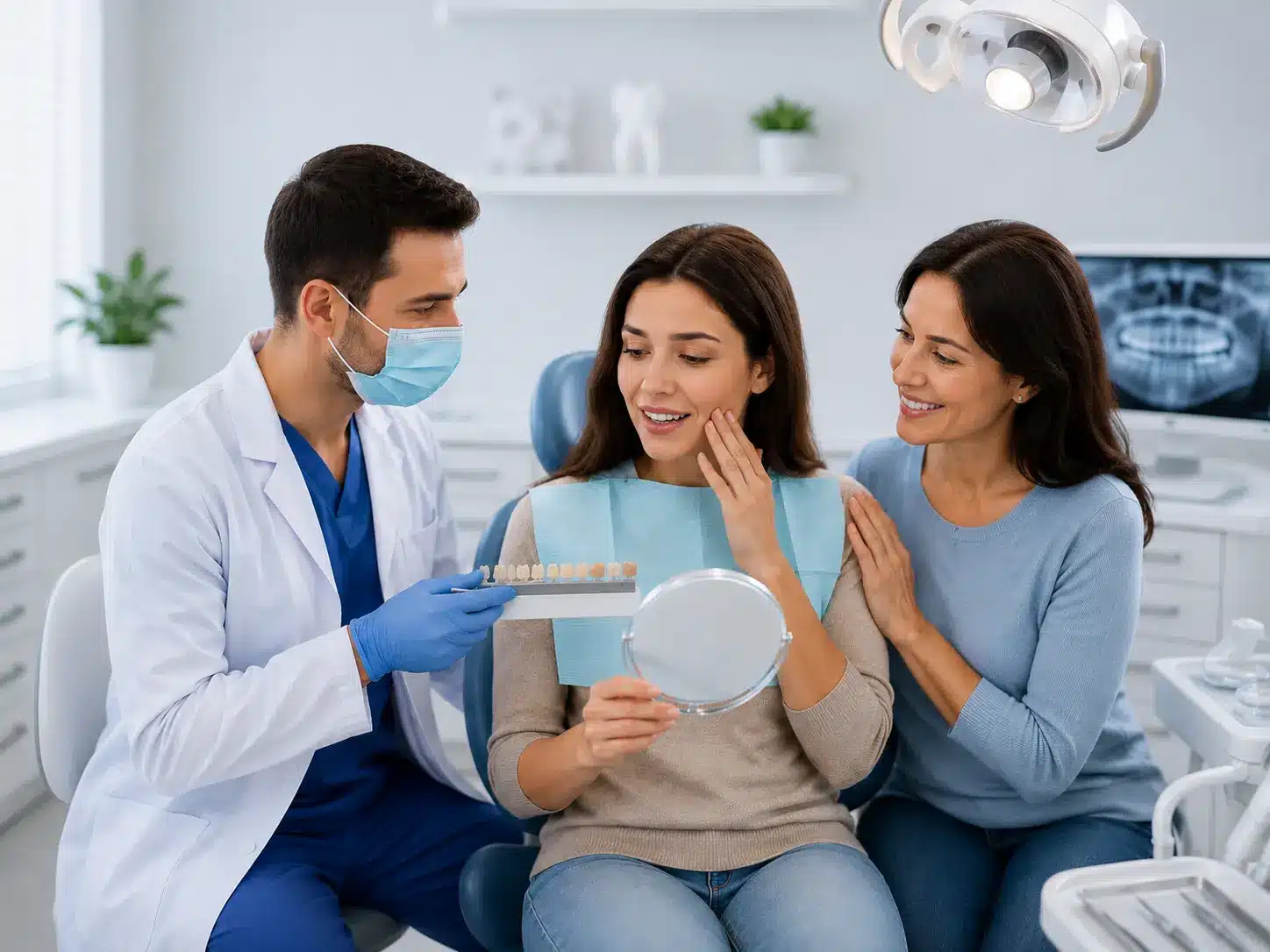
The only way to know for sure is to come in for a consultation. Let us examine your teeth. Tell us about your sensitivity and your whitening goals. We will give you an honest assessment of whether professional teeth whitening treatment makes sense for you.
If it does, we will create a customized plan that protects your teeth while giving you the brighter smile you want. If now is not the right time, we will explain what needs to happen first and when you might be ready.
What we will not do is pressure you into treatment that is not right for you. Your dental health comes first. Whitening is cosmetic. It improves how you look and feel, but it should not damage your teeth or cause ongoing problems.
Frequently Asked Questions
How long does sensitivity last after professional teeth whitening?
Most people experience tooth sensitivity for 24–48 hours after whitening. In rare cases, it may last up to three to four days. If sensitivity continues longer, contact your dentist to rule out underlying issues.
Can I use regular whitening toothpaste if I have sensitive teeth?
Whitening toothpaste can increase sensitivity because it contains abrasives and sometimes peroxide. If your teeth are sensitive, use toothpaste designed for sensitivity and rely on professional touch-ups instead of daily whitening products.
Will my teeth be permanently more sensitive after whitening?
No, teeth whitening does not cause permanent sensitivity. Any discomfort is temporary and usually disappears once your teeth recover. Your teeth will return to their normal sensitivity level after treatment.
How white can my teeth get if they are sensitive?
Sensitive teeth can achieve the same whitening results as non-sensitive teeth. The final shade depends on your natural tooth color and staining, not sensitivity. A gentler approach or spaced sessions may be recommended.
What should I do if whitening causes severe pain?
Stop the treatment immediately and rinse your mouth with water. If using a home kit, remove the trays and contact your dentist as soon as possible. Severe pain may indicate exposed dentin or another dental issue.