
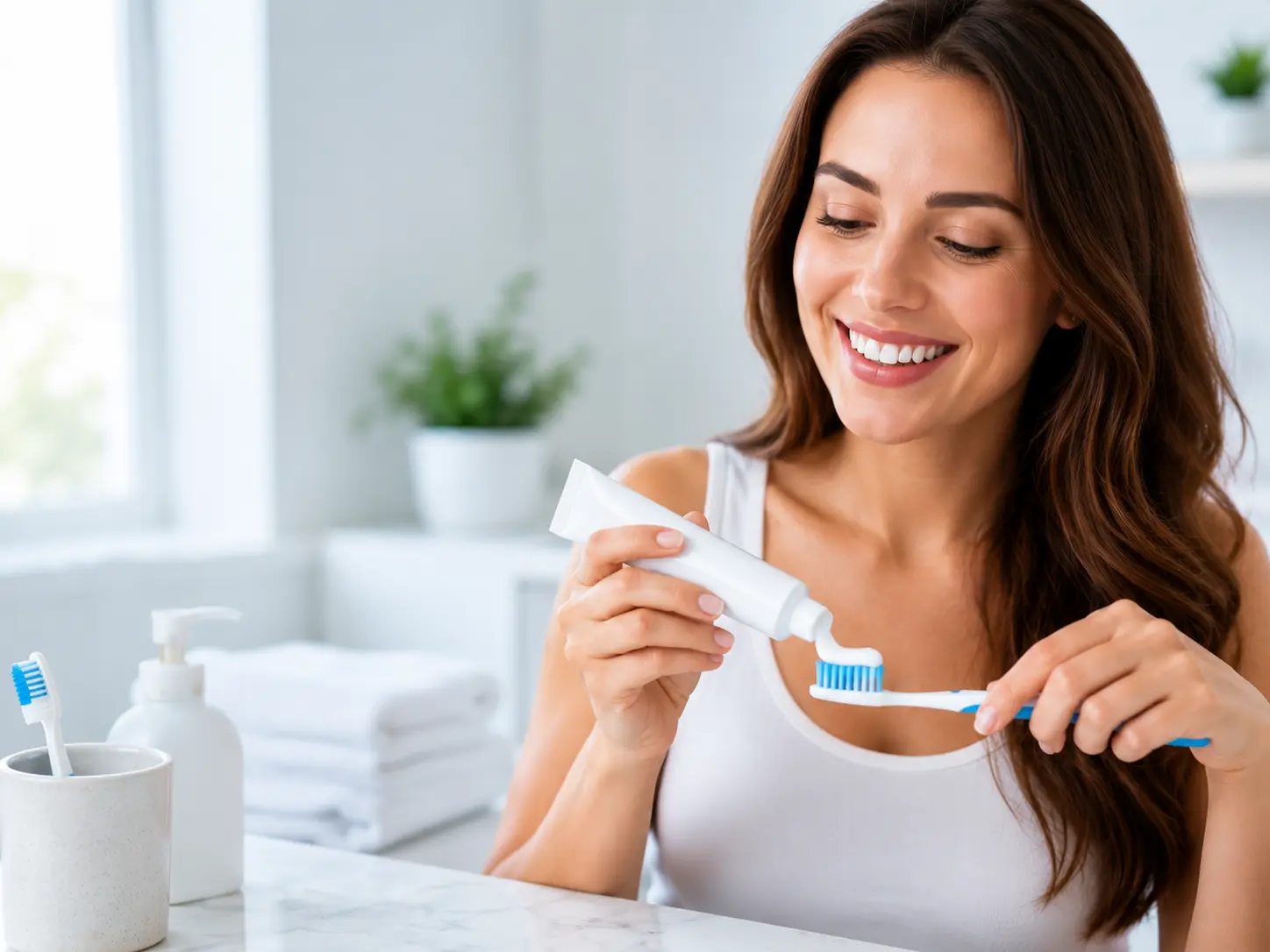

The best toothpaste for cavities contains fluoride at 1,000–1,500 ppm (sodium fluoride or stannous fluoride). For tooth sensitivity, look for potassium nitrate or stannous fluoride. For gum disease and receding gums, stannous fluoride is the most evidence-backed ingredient; it fights bacteria, reduces gum inflammation, and protects enamel. No single toothpaste is best for everyone. The right choice depends on your primary concern, and a dentist can help you match the ingredient to your needs.
Table of Contents
ToggleWhy Your Choice of Toothpaste Matters More Than Most People Think
Toothpaste is not a commodity. The active ingredient inside the tube determines whether you are actively preventing cavities, numbing sensitivity triggers, or protecting the gum tissue that holds your teeth in place. Most Americans pick a toothpaste based on brand familiarity or flavor. That is the wrong criterion.
According to the CDC’s 2024 Oral Health Surveillance Report, nearly 21% of U.S. adults aged 20–64 had at least one permanent tooth with untreated decay as of 2017–2020. That figure climbs to over 30% among non-Hispanic Black adults and nearly 40% among those living below the poverty line. Gum disease is equally widespread: a JADA-published analysis found that more than 42% of U.S. adults aged 30 and older have some form of periodontal disease, with over 3.8 million new cases of severe periodontitis recorded in 2021 alone.
Daily toothpaste use is one of the most consistent, low-cost interventions available. Choosing the wrong one not only fails to help; in some cases, it can actively make things worse.
Best Toothpaste for Cavities and Tooth Decay
The Ingredient to Look For: Fluoride
A 2025 narrative review published in Healthcare (MDPI), synthesizing peer-reviewed evidence from 2000 to 2025, confirmed that fluoridated toothpaste remains the most accessible and widely used method for cavity prevention. Standard adult formulations contain 1,000–1,500 ppm of fluoride, delivered via sodium fluoride (NaF), stannous fluoride (SnF₂), or sodium monofluorophosphate (MFP). For children under six, lower concentrations between 500–1,000 ppm are recommended to reduce the risk of dental fluorosis.
Among the fluoride compounds, stannous fluoride (SnF₂) consistently outperforms the others. A 2025 literature review covering 65 years of data, published in the journal Dentistry, concluded that stannous fluoride was the most effective fluoride additive tested across all three key measures: enamel remineralization, bacterial biofilm reduction, and dentin tubule occlusion.
What About Hydroxyapatite Toothpaste?
Nano-hydroxyapatite (nHAP) has gained significant attention as a fluoride-free alternative, particularly in the natural oral care market. An 18-month double-blind RCT published in Frontiers in Public Health (2023) found that a fluoride-free hydroxyapatite toothpaste performed comparably to a 1,450 ppm sodium fluoride toothpaste in preventing new cavities in low-risk adults. However, this non-inferiority finding applies to low-risk populations. For anyone with a history of decay, active gum disease, or dry mouth, fluoride-containing toothpaste remains the evidence-backed standard.
Cavity Prevention: What to Look For on the Label
Ingredient | Fluoride Level | Best For | Examples |
Sodium Fluoride (NaF) | 1,000–1,500 ppm | General cavity prevention | Colgate Cavity Protection, Sensodyne Pronamel |
Stannous Fluoride (SnF₂) | 0.454% | Cavities + gum health + sensitivity | Crest Pro-Health, Colgate Total |
Nano-Hydroxyapatite | Fluoride-free | Low-risk adults, fluoride-sensitive | Boka, Risewell |
Kids’ Fluoride | 500–1,000 ppm | Children under 6 (pea-sized amount) | Colgate Kids, Tom’s of Maine Children’s |
Is your cavity risk level low, moderate, or high? A professional exam at Lincolnwood Family Dental will tell you exactly which toothpaste to use, and why. New patients: schedule for as little as $19. Call 847-610-9272 or book online at lincolnwoodfamilydental.com
Best Toothpaste for Sensitive Teeth
What Is Tooth Sensitivity, Really?
Dentin hypersensitivity is a sharp, brief pain triggered by heat, cold, sweets, or even air. It occurs when the dentin layer of a tooth becomes exposed, either through enamel erosion, gum recession, or cementum loss, and external stimuli reach the nerve via microscopic channels called dentinal tubules.
A large observational study across seven countries, funded by Haleon and conducted by seven European universities, found that more than 1 in 2 adults experience dentin hypersensitivity. The condition peaked among adults aged 38–47 and was more common in women (56%) than in men (50%). The study also found that 98% of participants showed signs of dental erosion — suggesting sensitivity is likely to increase in future years.
Two Mechanisms, Two Ingredient Categories
Sensitivity toothpastes work through one of two mechanisms. Understanding the difference helps you choose wisely.
- Nerve depolarization: Potassium nitrate (KNO₃) raises the potassium ion concentration around the nerve, reducing its excitability. It takes several weeks of consistent use to feel relief. Sensodyne Sensitive with potassium nitrate is the most widely recognized product in this category.
- Tubule occlusion: Stannous fluoride, arginine, and calcium phosphate compounds physically block dentinal tubules. This addresses the structural cause rather than just masking the pain signal. Relief can begin sooner — sometimes within days.
A meta-analysis published in the Journal of Dentistry, analyzing 53 randomized controlled trials involving 4,796 patients, found statistically significant desensitizing effects for potassium-, stannous fluoride-, and arginine-containing toothpastes compared with placebo. Strontium-based formulations showed no significant effect.
The Ingredient the Research Supports Most Strongly
A 2024 RCT published in Compendium of Continuing Education in Dentistry tested a stannous fluoride formula stabilized with nitrate and phosphates against a potassium nitrate dentifrice. After just seven days of twice-daily brushing, the stannous fluoride group showed greater reductions in dentin hypersensitivity scores. The stannous fluoride formulation also demonstrated measurable in vitro tubule occlusion, which potassium nitrate alone does not achieve.
The practical takeaway: stannous fluoride formulas now offer both tubule-occluding and nerve-depolarizing effects. For anyone managing sensitivity, this dual-action approach is more efficient than relying on potassium nitrate alone.
Sensitivity is often a symptom rather than a standalone condition. If you have sensitivity caused by a cracked tooth, an exposed root from gum recession, or active decay, no over-the-counter toothpaste will fix the underlying problem. A desensitizing toothpaste reduces discomfort while the root cause worsens. This is one of the most common patterns we see at our Lincolnwood office: patients managing sensitivity with toothpaste for months before discovering a cavity or significant gum recession that requires treatment. If sensitivity does not respond to toothpaste within four to six weeks, book an appointment. Do not manage pain. Treat the cause.
Tooth sensitivity that persists is your mouth asking for help. Lincolnwood Family Dental offers same-day emergency appointments for patients in pain. Call 847-610-9272 or visit lincolnwoodfamilydental.com to book an appointment.
Best Toothpaste for Gum Health, Gum Disease, and Receding Gums
Why Gum Health Requires a Different Focus
Gum disease (periodontal disease) is the leading cause of tooth loss in American adults. NIDCR data confirms that it remains more prevalent than cavities in adults over 30. It begins with gingivitis, inflammation driven by bacterial plaque at the gumline, and progresses to periodontitis if left untreated. Periodontitis destroys the bone and connective tissue that hold teeth in place. At that stage, the damage is permanent.
Toothpaste for gum health must do something that standard fluoride toothpaste does not: it must actively reduce the bacterial biofilm at and below the gumline, not just protect enamel.
The Ingredient to Look For: Stannous Fluoride
A 2025 review published in the journal Dentistry (MDPI) covering literature from 2015–2024 identified stannous fluoride as uniquely effective across three areas: reduction in bacterial viability, enamel remineralization, and dentinal tubule occlusion. For gum health specifically, the antibacterial action of the tin (Sn²⁺) ion is the key mechanism. It disrupts the ability of cariogenic and periodontal bacteria to colonize tooth surfaces.
A 6-month RCT published in Compendium (2024) involving 80 adults in Loma Linda, California, found that participants using stannous fluoride toothpaste showed significantly greater reductions in plaque and gingivitis over 6 months compared to participants using a regular fluoride toothpaste.
What About Toothpastes Marketed Specifically for Gums?
Brands like Parodontax (marketed for bleeding gums) and Crest Gum Detoxify both use stannous fluoride as their active ingredient. The marketing is different. The mechanism is the same. You are primarily paying for the ingredient, not the branding.
The Receding Gums Question
Receding gums cannot be reversed by toothpaste. Once gum tissue has receded, it does not grow back without a procedure. What toothpaste can do is protect the exposed root surface (which lacks enamel and is more vulnerable to decay), reduce the bacterial load driving further recession, and manage sensitivity in exposed dentin.
For patients with diagnosed recession, our dentists at Lincolnwood Family Dental often recommend stannous fluoride toothpaste, a soft-bristle brush, and a gentle circular brushing technique. Aggressive brushing with any toothpaste accelerates recession — especially with abrasive whitening formulas.
The One-Concern Rule: How to Pick Your Toothpaste
Most patients try to solve three problems with one toothpaste. It rarely works well. Formulas that do everything, whitening, sensitivity relief, gum protection, cavity prevention, often compromise on the concentration of each active ingredient to fit them all in.
Our recommendation at Lincolnwood Family Dental: identify your primary concern, pick the toothpaste optimized for that concern, and let your professional cleanings and fluoride treatments handle the rest. If you have both sensitivity and gum disease, stannous fluoride is the one ingredient that addresses both. That is the best starting point.
Primary Concern | Recommended Ingredient | What It Does | Notes |
Cavities / Tooth Decay | Sodium Fluoride or Stannous Fluoride (1,000–1,500 ppm) | Remineralizes enamel, inhibits bacterial acid | Use twice daily; do not rinse immediately after |
Sensitive Teeth | Stannous Fluoride or Potassium Nitrate | Occludes dentinal tubules or depolarizes nerve | Allow 4–6 weeks; if no relief, see a dentist |
Gum Disease / Gingivitis | Stannous Fluoride (0.454%) | Reduces bacterial biofilm, controls plaque | Pair with flossing; no substitute for cleanings |
Receding Gums | Stannous Fluoride + Soft Brush | Protects exposed roots, slows bacterial progression | Whitening toothpastes may worsen abrasion |
Kids Under 6 | Fluoride 500–1,000 ppm | Safe enamel protection at an age-appropriate dose | Pea-sized amount only; supervised brushing |
Why Your Toothpaste Choice Is Only Part of the Answer
Here is something most toothpaste guides will not tell you: toothpaste works only on surfaces you actually reach. The average person misses the same areas of their mouth every single time they brush, typically the inside surfaces of lower front teeth and the back molars. No toothpaste, regardless of its ingredient profile, can protect those areas if the brush never gets there.
This is what we observe consistently in our practice. Patients arrive with cavities in predictable blind spots, not because they chose the wrong toothpaste, but because their brushing technique creates a recurring gap in coverage. The toothpaste becomes irrelevant in those zones.
The real question is not just what you put on your brush. It is where the brush actually goes. Toothpaste is the vehicle. Technique is the driver. A professional cleaning gives your dentist the opportunity to map your blind spots and help you correct them.
How Lincolnwood Family Dental Approaches Preventive Care
Lincolnwood Family Dental is a women-led multi-doctor practice at 4368 W Touhy Ave in Lincolnwood, IL, serving families across the north Chicago area, including Skokie, Evanston, Rogers Park, and Lincoln Square.
Our preventive care team includes general and cosmetic dentists Dr. Sana Baig, Dr. Emily Chen, and Dr. Harshkumar Patel, as well as Dr. Ameena Haroon (Endodontist) and Dr. Saad Khizar Usmani (Periodontist). Having a periodontist on staff means that when a patient’s gum health exceeds what toothpaste and cleanings can address, that specialist is in the same office.
Patient Sharon I. described her experience in a verified Google review: her care team worked across multiple concerns simultaneously, sensitive teeth, crown work, and insurance navigation, and the practice accommodated a dental emergency the same day she called. That is the standard we hold ourselves to.
We accept all PPO insurance plans and offer new patient specials starting at $19 for an emergency exam and X-ray. Our office currently holds over 700 five-star Google reviews. If you are unsure which toothpaste is right for your specific dental history, a preventive exam is the fastest way to find out.
Learn more about our preventive dentistry services or explore our full range of general dentistry options. Families can also book through our dedicated kids dentistry page.
Ready to find the right toothpaste for your smile? Book a preventive exam at Lincolnwood Family Dental. New patient special: $89 comprehensive exam and X-rays for teens and adults. Call 847-610-9272 or visit lincolnwoodfamilydental.com
The Bottom Line
The best toothpaste for cavities, sensitivity, and gum health all point to one ingredient: stannous fluoride. It is the most evidence-backed active compound for all three concerns simultaneously. For patients with a single concern, sodium fluoride is effective for cavities, and potassium nitrate is effective for sensitivity.
What toothpaste cannot do: replace professional cleanings, treat active gum disease, reverse recession, or fill a cavity. It is a preventive tool. The most important thing you can do, in addition to daily brushing, is to maintain regular dental visits, ideally every six months for a cleaning and exam.
If you live in the Lincolnwood area and have not had an exam this year, Lincolnwood Family Dental is welcoming new patients. Same-day emergency appointments are available, insurance is accepted, and new patient specials start at $19.
Frequently Asked Questions
What is the best toothpaste for preventing cavities?
Any toothpaste containing 1,000–1,500 ppm of fluoride (sodium fluoride or stannous fluoride) has a strong evidence base supporting its use for cavity prevention. Stannous fluoride offers the added benefit of antibacterial action. Use it twice daily and avoid rinsing your mouth immediately after, letting the fluoride sit on the teeth for a few minutes improves its effectiveness.
What is the best toothpaste for sensitive teeth?
Stannous fluoride is the strongest evidence-backed choice because it both occludes dentinal tubules and provides fluoride protection. Potassium nitrate (found in Sensodyne Sensitive) is also effective but takes longer to work, typically four to eight weeks of consistent use. If sensitivity persists beyond six weeks, see a dentist. Persistent sensitivity is often a sign of something that toothpaste cannot fix.
What is the best toothpaste for gum disease and receding gums?
Stannous fluoride (0.454%) has the most clinical support for reducing plaque and gingivitis. Products like Crest Pro-Health and Crest Gum Detoxify use this ingredient. For receding gums specifically, no toothpaste can restore lost tissue — but stannous fluoride can protect exposed root surfaces and slow bacterial progression. Pair it with a soft-bristle toothbrush and see a periodontist if recession is significant.
Is whitening toothpaste safe?
Most whitening toothpastes rely on mild abrasives to remove surface stains. They do not change the natural color of teeth. For patients with sensitive or thin enamel, abrasive whitening formulas can increase discomfort and accelerate enamel wear. If whitening is a priority, cosmetic options performed under dental supervision are safer and more effective than daily abrasive toothpaste.
How do I know if I need a special toothpaste?
If you have had a cavity in the past three years, active gum disease, tooth sensitivity, or receding gums, a standard fluoride toothpaste may not be enough on its own. A dental exam will identify your specific risk profile and allow your dentist to recommend an ingredient targeted to your needs. Most patients benefit from a professional opinion before making a switch.
Can children use the same toothpaste as adults?
No. Children under six should use a toothpaste with 500–1,000 ppm fluoride in a pea-sized amount, under adult supervision. Higher fluoride concentrations during tooth development can cause dental fluorosis. Adults and teenagers can use standard 1,000–1,500 ppm formulas. Ask your pediatric dentist for a specific product recommendation at your child’s next visit.