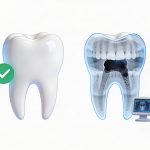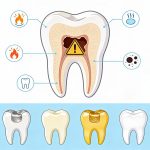
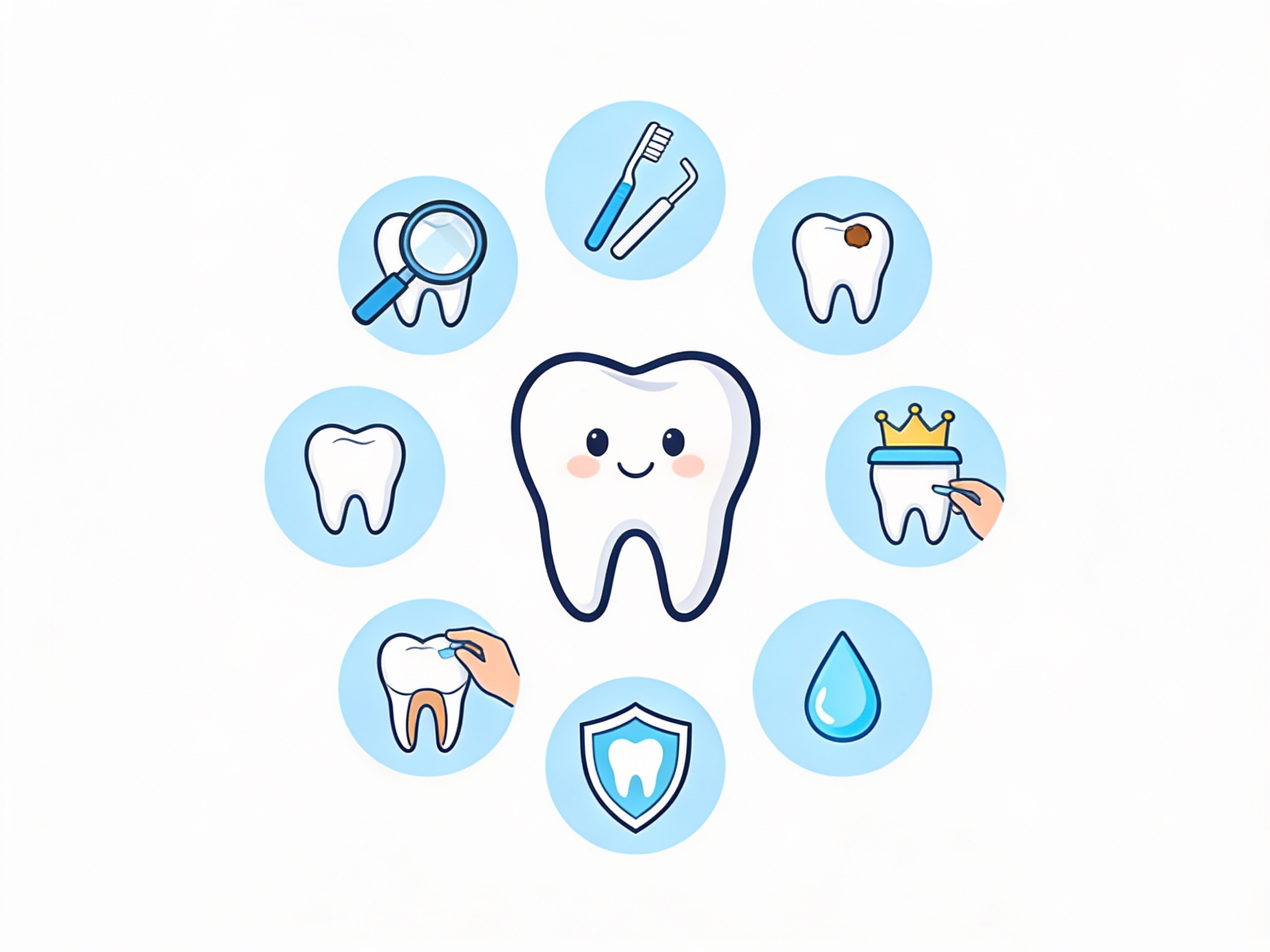


General dentistry focuses on the diagnosis, prevention, and treatment of common oral health conditions. A general dentist handles routine checkups, dental exams, cleanings, and basic restorative treatments. They also create personalized dental care plans that may include teeth cleaning, tooth scaling, and x-rays.
General dental care is important for the early detection of issues. Regular visits and diagnostic tools help identify problems before they worsen. A general dentist may refer you to a specialist if your condition requires advanced care.
Dental Exam
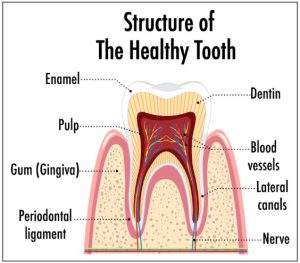
A dental exam is a general dental service that checks the health of your teeth, gums, and mouth. It includes a dental cleaning to remove plaque, x-rays when needed, and an exam performed by the dentist. A dental exam helps detect early signs of tooth decay, gum disease, and other oral health issues.
Why It’s Important
General dentistry focuses on prevention, and a dental exam helps find problems when they are easier to treat. It also supports long-term oral health by identifying conditions that may lead to pain, infection, or tooth loss. A dental exam teaches patients how to better care for their teeth and gums.
How Often You Need It / When You Should Get It
Most people need a dental exam every six months. You may need more frequent exams if you have gum disease, frequent cavities, a family history of oral issues, diabetes, heart disease, HIV, dry mouth, or if you smoke or are pregnant. Babies should have their first exam by their first birthday, then every 6 months. If you have bleeding gums, tooth pain, or swelling, visit your general dentist as soon as possible.
Teeth Cleaning
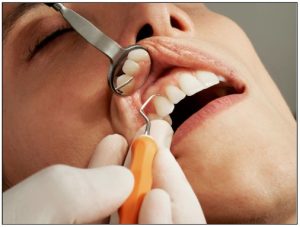
Teeth cleaning is a general dental service that removes plaque and tartar from your teeth. A dental hygienist begins with a quick exam using a small mirror to check for signs of gingivitis or other concerns. If needed, the dentist evaluates your mouth before the cleaning starts.
Why It’s Important
Professional cleaning helps prevent cavities, gum disease, and plaque buildup that daily brushing cannot remove. It supports good oral hygiene and allows your general dentist to identify issues early. Children may also benefit from molar sealants to protect hard-to-clean areas.
How Often You Need It / When You Should Get It
Most patients need teeth cleaning every six months. X-rays are usually taken once a year. Your dentist may recommend additional exams based on your oral health. Regular cleanings help prevent future problems and keep your mouth healthy.
Oral Cancer Screening
Oral cancer screening is a general dentist service that checks your mouth for early signs of cancer. The dentist examines the lips, tongue, gums, cheek lining, tonsils, and the floor and roof of the mouth. It helps detect issues that may need further testing.
Why It’s Important
Oral cancer is often diagnosed late, which affects survival rates. Screening helps identify suspicious areas early, when treatment is more effective. If the dentist finds anything concerning, they refer you to a specialist for further evaluation.
When You Should Get It
Most people receive an oral cancer screening during routine dental exams. Contact your dentist if you notice mouth pain, new lumps, bumps, or lesions. Early evaluation is important whenever you feel something is not normal.
Dental Fillings

Dental fillings are a general dental treatment used to repair cavities, small chips, or minor cracks. They help restore the tooth’s shape and function. Fillings may also be called tooth fillings, cavity fillings, or dental restorations.
Why It’s Important
Fillings remove existing decay and prevent further damage. They can strengthen weakened teeth, restore chewing ability, maintain natural tooth structure, improve appearance, and last many years.
How Often You Need It / When You Should Get It
You need a filling when a cavity forms or when a tooth is chipped or cracked. If decay reaches the pulp, a filling is no longer effective, and a root canal is needed. Contact your dentist if a filling breaks or if you have severe pain, swelling, fever, or signs of infection.
Inlays and Onlays
Inlays and onlays are general dentist services used to restore damaged teeth when a filling is not enough, but a crown is not yet needed. Inlays fit inside the tooth, while onlays cover the chewing surface and may replace one or more cusps. They are commonly made from ceramic, porcelain, or composite materials.
Why It’s Important
Inlays and onlays replace defective fillings and restore tooth strength. The bonding process helps improve stability, protects the tooth, and creates a natural appearance with tooth-colored materials. They offer a durable option for moderate tooth damage.
How Often You Need It / When You Should Get It
Dentists recommend inlays or onlays when a cavity or fracture is too large for a standard filling but does not require a full crown. Ask your dentist if you are a suitable candidate for a tooth-colored inlay or onlay.
Fluoride Treatment
Fluoride treatment is a general dentistry service that uses fluoride to strengthen teeth and reduce the risk of cavities. Fluoride is a natural mineral found in food and water, and dentists apply it to help protect tooth enamel.
Why It’s Important
Fluoride makes enamel more resistant to acid attacks from bacteria, plaque, and sugars. It supports remineralization, helps reverse early decay, and reduces the chances of cavities. Proper fluoride levels are especially important for developing teeth.
When You Should Get It
Children aged 6 months to 16 years need adequate fluoride to support tooth development. Dentists may recommend fluoride treatments during routine visits. Infants should avoid formulas mixed with fluoridated water to prevent fluorosis of the enamel. Adults may receive fluoride if they are at higher risk for decay.
Tooth Sealants
Tooth sealants are a general dental service that coats the chewing surfaces of the back teeth. A thin liquid material is applied to the molars and premolars and then hardened to protect them from cavity-causing bacteria.
Why It’s Important
Back teeth have deep grooves where food and bacteria collect. Sealants block these areas and help prevent tooth decay. They are made from medical-grade resins or glass ionomers and create a protective barrier that keeps bacteria from reaching the enamel.
How Often You Need It / When You Should Get It
Children should receive sealants as soon as permanent molars and premolars appear, usually between ages 6 and 14. Adults without decay or fillings in their back teeth can also benefit. In some cases, dentists may place sealants on baby teeth with deep grooves to keep them healthy and in place.
Dental Bridges
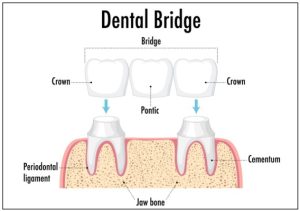
Dental bridges are a general dental service used to replace one missing tooth or several missing teeth in a row. A bridge fills the gap using artificial teeth called pontics, supported by abutments, which may be natural teeth or implant posts. Bridges are custom-made to match the shade of your natural teeth.
Why It’s Important
A dental bridge restores chewing and speech function, prevents neighboring teeth from shifting, and provides a natural-looking replacement for missing teeth. It helps maintain proper bite alignment and overall oral stability.
When You Should Get It
You need a bridge when you have one or more missing teeth that affect chewing, appearance, or tooth alignment. Contact your dentist if your bridge feels loose, cracks, causes pain when chewing, or if you develop sensitivity or gum irritation.
Gingivitis
Gingivitis is an early stage of gum disease that general dentists treat. It develops when plaque, tartar, and bacteria build up on the teeth, causing red, swollen, and bleeding gums. If left untreated, it can progress to periodontitis, which can affect the jawbone.
Why It’s Important
Managing gingivitis early prevents the progression to more serious gum disease. Treatment may include scaling and root planing, improved home care, antimicrobial mouthwash, and repairing dental work that traps bacteria. Early care reduces infection, gum damage, and long-term complications.
When You Should Get It
See your dentist if you notice bleeding gums, swelling, or tenderness. Smokers and people with higher risk factors may need more frequent exams. Your dentist will decide whether to check your gums at a routine visit or schedule a separate appointment based on your symptoms.
Orthodontics
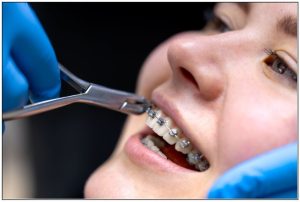
Orthodontics is a general dentistry service that focuses on diagnosing and treating bite problems. Treatments include braces, clear aligners, and retainers.
Why It’s Important
Correcting how the upper and lower teeth fit together reduces the risk of cavities, gum disease, and enamel wear. It also improves chewing function and overall oral health.
When You Should Get It
Children should have their first orthodontic checkup by age 7. People who want better bite alignment or a more attractive smile should see a dentist or orthodontist for an evaluation.
Dentures
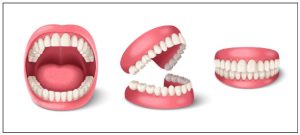
Dentures are dental appliances that replace missing teeth in the upper, lower, or both jaws. They can be made from acrylic, resin, nylon, metal, or porcelain.
Why It’s Important
Dentures restore chewing, improve speech, and enhance appearance. Options include full dentures, partial dentures, immediate dentures, implant-retained dentures, and implant-supported dentures.
How Often You Need It / When You Should Get It
You may need dentures if you have multiple missing teeth or difficulty chewing. Contact your dentist if dentures feel loose, cause pain, or show damage, especially if they are more than 10 years old.
Wisdom Tooth Removal
Wisdom tooth removal is a general dentist or oral surgery procedure that extracts third molars at the back of the mouth. These teeth usually appear between the ages of 17 and 25.
Why It’s Important
Removal helps prevent problems like impaction, decay, gum disease, and pressure on nearby teeth. Not everyone needs extraction, but impacted or problematic wisdom teeth often require treatment.
How Often You Need It / When You Should Get It
A dentist uses X-rays to assess the position of wisdom teeth and determine whether removal is needed. Many people have the procedure in their late teens or early twenties when the teeth are easier to extract.
About Lincolnwood Family Dental
Lincolnwood Family Dental is a modern dental practice committed to providing high-quality general and cosmetic dentistry for patients of all ages. Our team focuses on comfort, clarity, and personalized care so every visit feels easy and stress-free.
We offer a full range of services, including preventive care, cleanings, fillings, cosmetic treatments, and restorative dentistry. Each treatment plan is tailored to your needs, helping you maintain long-term oral health and a confident smile.
Our practice uses the latest dental technology and proven treatment techniques to ensure safe and effective care. Whether you’re visiting for a routine exam or a more advanced procedure, our goal is to deliver the best experience from start to finish.