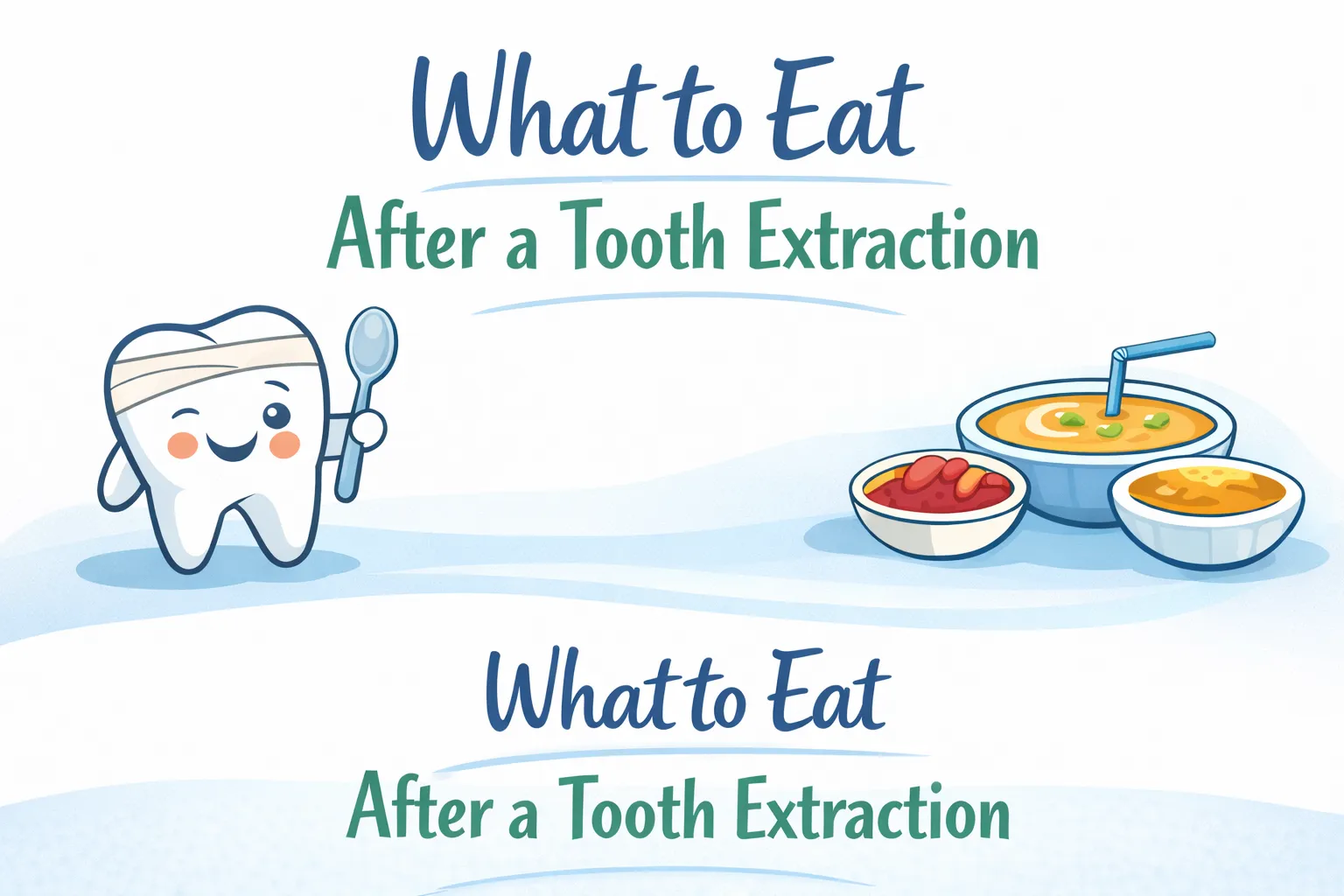


Having a tooth pulled can be stressful. Many people immediately wonder, “What can I eat after a tooth extraction?” This is an important question.
Eating the wrong foods can slow healing and even cause pain or complications. However, eating the right foods significantly improves recovery, making it easier and more comfortable. It’s reassuring to know that over 90% of patients heal without major issues when they adhere to recommended dietary guidelines.
This guide will cover everything you need to know:
- What a tooth extraction is and how to prepare.
- What to expect after the procedure, with a day-by-day menu of food suggestions.
- Red-flag symptoms indicate when to contact your dentist.
- Answers to common questions about what to eat and what to avoid while you heal.
Most importantly, we’ll provide a comprehensive look at ensuring a smooth recovery.
You’ll also find clear examples of soft foods to eat after oral surgery. We’ll answer common questions, such as when you can eat solid food or soup after a tooth extraction.
This guide is simple and practical with no confusing terms. By the end, you’ll feel more confident about your recovery and your food choices.
Table of Contents
ToggleWhat Is a Tooth Extraction?
A tooth extraction is a dental procedure where a dentist removes a tooth from its socket. Many people simply call it having a tooth pulled. It is a common treatment and is often done to protect your overall oral health.
Dentists always try to save natural teeth first. Restorations such as fillings or crowns are usually the first choice. But sometimes, the damage is too severe. In these cases, removing the tooth is the safest option.
A dentist may recommend a tooth extraction if you have a cracked or fractured tooth. Advanced gum disease is another common reason. Impacted, crowded, or severely decayed teeth may also require extraction. In some situations, dental trauma from an accident or injury may necessitate emergency tooth extraction.
General dentists and dental specialists perform tooth extractions. Oral surgeons and periodontists usually handle more complex cases.
Special Considerations for Molar Tooth Extractions
Tooth Type | What to Know | Possible Risks | What Your Dentist May Do |
Upper Molar Teeth | Upper molar roots can be close to the sinus cavities in the nose. | In rare cases, removal may affect the supporting bone or cause pain near the sinus area. | Your dentist will explain risks in advance. Complex cases may be referred to a hospital oral surgeon. |
Lower Molar Teeth | Lower molars may sit close to important nerves in the jaw. | Temporary numbness, tingling, or pain in the tongue, lip, or chin. Rarely, this can be permanent. | X-rays are taken to assess nerve position. High-risk cases are referred to a specialist oral surgeon. |
How to Prepare for a Tooth Extraction
Preparation for a tooth extraction helps the procedure proceed smoothly and supports faster healing.
Tell your dentist about all the medications you take, including prescriptions, vitamins, and supplements. Your dentist will let you know if you need to stop any of them before the procedure.
At your consultation, your dentist will talk about sedation options. Sedation can help you feel calm and relaxed, which is helpful if you’re anxious or want a more comfortable experience.
Here’s our guide on how to overcome dental anxiety.
What Happens During a Tooth Extraction?
- First, your dentist numbs the area using local anaesthesia. This prevents pain during the extraction. If you choose sedation, those medications are given as well.
- Next, your dentist gently loosens the tooth using special tools. Once loose, the tooth is carefully removed.
- In some cases, small cuts in the gums may be necessary. If a tooth is broken or badly damaged, it may be removed in sections.
- After removal, the socket is cleaned and disinfected. A bone graft may be placed to support jaw health. Stitches may be added, but they are not always needed.
- Most single-tooth extractions take approximately 30 to 60 minutes. Recovery begins immediately, so knowing what to eat after a tooth extraction is important.
Risks and Possible Complications After a Tooth Extraction
A tooth extraction is generally safe, but like any dental procedure, there are some risks. Most patients heal well when they follow aftercare instructions. Knowing what to eat after a tooth extraction and what foods to avoid plays a big role in healing.
Possible complications include delayed healing. Dry socket can happen if the blood clot comes out. Infection is also possible if bacteria get in. Rarely, there may be sinus problems, nerve irritation, or damage to nearby tissue.
Common Side Effects After Tooth Removal
Bleeding
You may notice light bleeding during the first night. This is normal. Place clean gauze over the area and gently bite down for 15 minutes. Repeat if needed. Avoid hard foods and stick to foods to eat after a tooth extraction during this time.
Bruising
Mild bruising of the gums or jaw may occur. It usually fades within a few days.
Discomfort
Pain often peaks around day three. Rest is important. Avoid chewing in the area and choose soft foods after a tooth extraction to maintain comfort.
Swelling
Swelling around the gums or jaw is common. Apply an ice pack for 20 minutes, then rest for 20 minutes. Repeat as needed.
These symptoms usually improve within a week. Following your dentist’s advice and choosing the best things to eat after a tooth extraction can make recovery smoother and faster.
Top Aftercare Tips for Faster Healing
Proper aftercare helps prevent complications and accelerates healing. It also enables you to return to normal eating sooner. Following these steps supports comfort and protects the extraction site:
First 24 Hours After Extraction
- Avoid mouthwash and strong rinses during the first day.
- Skip hot food and hot drinks.
- Do not do heavy exercise or strenuous activity. These actions can disturb the blood clot.
- If bleeding occurs, place clean gauze or a rolled handkerchief over the area. Bite down gently for 10 minutes. Repeat if needed.
- Apply a cold compress to the face to reduce swelling. Apply it for short intervals. Sleep with your head raised using an extra pillow.
- Stick to soft foods after oral surgery during this period. These are the best things to eat after a tooth extraction early on.
After the First 24 Hours
- Rinse gently with warm saline solution three to four times daily. Always rinse after meals.
- Use one teaspoon of salt in a glass of warm water. Be careful not to dislodge the blood clot.
- Brush your teeth carefully. Use a soft or child’s toothbrush. Avoid brushing directly over the extraction site.
- Eat a balanced, soft diet for a few days. Choose foods to eat after a tooth extraction that require little chewing.
Additional Healing Tips
- Take pain medication as advised if needed.
- Finish any antibiotics your dentist prescribed.
- Avoid smoking because it slows healing.
- Jaw stiffness and bruising may last seven to ten days.
- If swelling increases, pain worsens, or you develop a fever, contact your dentist right away.
What Can I Eat After a Tooth Extraction?
After a tooth extraction, eating the appropriate foods is essential. Your mouth needs time to heal. Choosing the correct foods helps reduce pain and lowers the risk of complications. Many patients ask, What can I eat after a tooth extraction? The answer depends on the stage of healing.
Best Foods to Eat After a Tooth Extraction
For the first few days, stick to soft foods that do not require much chewing. These are the most appropriate foods to eat after a tooth extraction because they protect the healing area.
Prioritise soft, high-protein options such as Greek yoghurt and soft tofu to support tissue repair. Protein is vital for tissue regeneration and can accelerate the healing process.
Good food to eat after a tooth extraction includes:
- Yogurt
- Applesauce
- Mashed potatoes
- Scrambled eggs
- Smoothies, eaten with a spoon
- Oatmeal
- Cottage cheese
Many people also ask, Can you eat soup after a tooth extraction? Yes, you can. Choose smooth soups that are warm, not hot. Avoid chunky or spicy soups during early healing.
These tooth-extraction foods are gentle on the mouth and provide necessary nutrients. Soft foods to eat after oral surgery help prevent irritation and support recovery.
When Can I Eat Solid Food After Tooth Extraction?
Solid foods should be added slowly. Most people can begin eating solid food after a few days. This depends on comfort and healing. Start with soft solids and chew away from the extraction site.
Foods to Avoid During Healing
Avoid crunchy, sticky, spicy, or hard foods. These are things to avoid after tooth extraction because they can disturb the blood clot and delay healing.
What Should I Expect After a Tooth Extraction?
It is normal to notice some changes after a tooth extraction. Most symptoms are mild and improve with proper care.
You may have slight bleeding for the first day. This is expected. Gently biting down on clean gauze helps control it. Avoid disturbing the area and eat soft foods after a tooth extraction during this period.
Pain or discomfort is also common. Your dentist will guide you on using pain relief medication safely. Swelling and bruising may appear around the jaw or cheek. This usually peaks on the second day and slowly improves over one to two weeks.
You might find it hard to open your mouth fully at first. Jaw stiffness is normal and usually resolves within a week or two. Using a cold compress early on can help reduce swelling and discomfort.
If stitches were placed, they usually dissolve or fall out on their own within two to four weeks. You do not need to remove them yourself.
Some patients may need a short break from work or school. Your dentist will determine the best course of action based on your procedure and healing progress.
When to See a Dentist
Whenever you experience tooth pain or discomfort, it is best to see a dentist. Toothaches can signal infection, decay, or other problems. Early care helps prevent bigger issues and protects your healing.
If you have already had a tooth extraction, contact your dentist right away if you notice warning signs. These include a fever of 100.4°F or higher.
Drainage or pus around the extraction site is another concern. Severe pain that does not improve with medication also needs attention. These symptoms may affect healing and delay when you can return to normal activities and tooth-extraction foods.
Getting timely care helps avoid complications. It also allows you to safely resume soft foods after oral surgery and, later, solid foods.
How Lincolnwood Family Dental Supports You
Lincolnwood Family Dental provides general and cosmetic dentistry for all ages. We offer preventive care, cleanings, fillings, and cosmetic treatments. Our team focuses on comfort, clarity, and personalised care at every visit.
We are here to guide you before and after procedures. We address questions about what to avoid after tooth extraction and when to resume eating solid foods. Our goal is to help you heal well and smile with confidence.
We accept all dental PPOs. We offer same-day appointments, evening hours, and Saturdays. If you have questions about oral health, call Lincolnwood Family Dental at (847) 610-9272. We are happy to help.
Frequently Asked Questions
What can I eat 3 days after a tooth extraction?
After three days, you can eat soft foods like pasta, soft rice, eggs, fish, and cooked vegetables if chewing feels comfortable.
When can I eat solid food after a tooth extraction
Most people can slowly return to solid foods after five to seven days, depending on healing and comfort levels.
Can you eat soup after a tooth extraction?
Yes, smooth and lukewarm soups are safe. Avoid hot, spicy, or chunky soups during early healing.
Does diet affect bad breath even if I maintain good oral hygiene?
Avoid hard, crunchy, sticky, or spicy foods; nuts; chips; and seeds, and use straws until healing is complete.