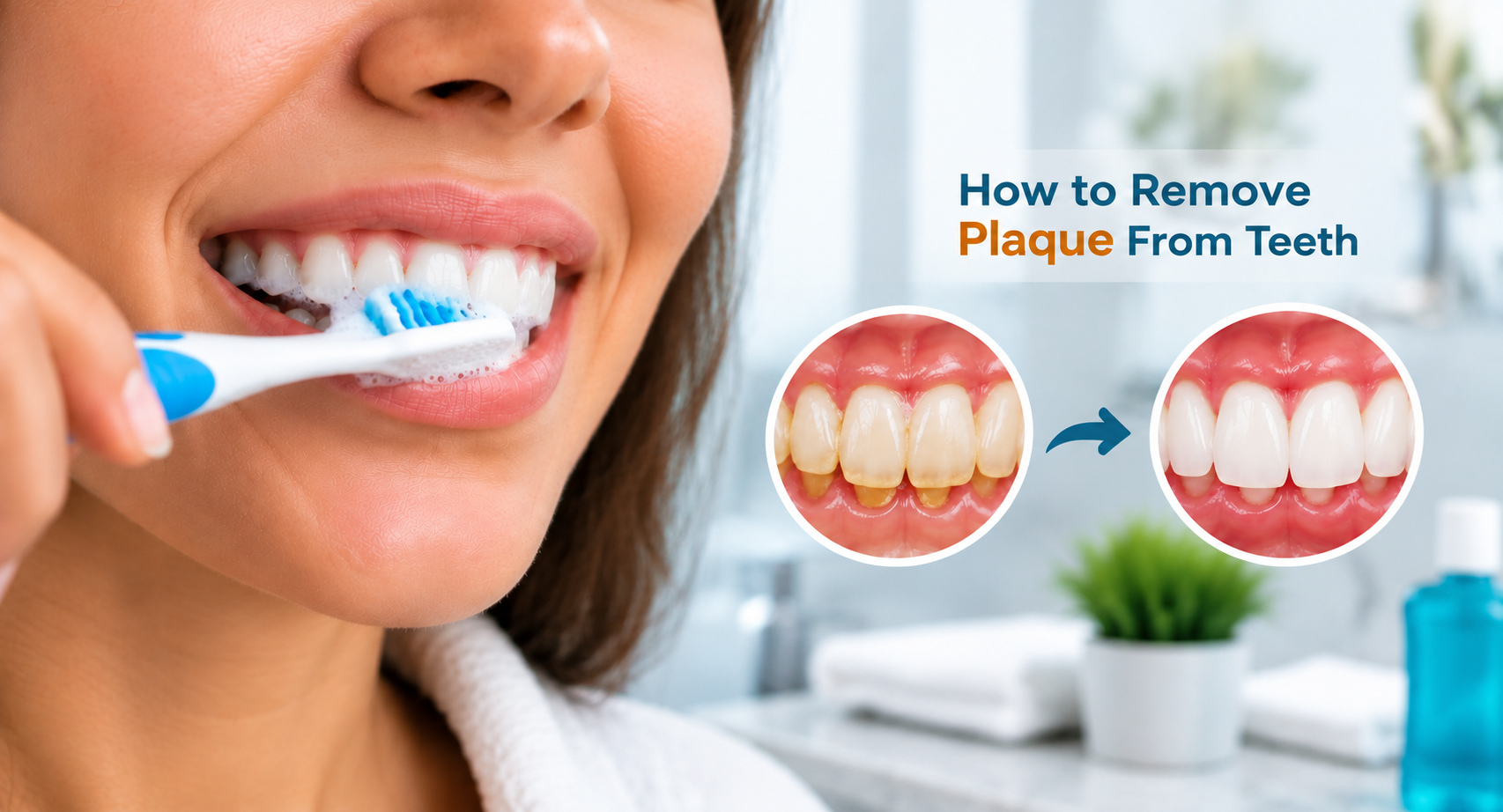

To remove plaque from teeth, brush twice a day for two minutes with fluoride toothpaste, clean between your teeth daily with floss or a water flosser, and rinse with an antiseptic mouthwash. Cutting back on sugary foods slows it down. Brushing and flossing can clear soft plaque, but once it hardens into tartar, only a dentist can remove it.
Key Takeaways
- Plaque is a soft, sticky film of bacteria that constantly forms on teeth, even hours after you clean them.
- Brushing twice daily, flossing once daily, and using an antiseptic rinse remove most plaque on teeth at home.
- Plaque is nearly colorless and makes teeth feel fuzzy, so you usually feel it before you see it.
- Sugary and starchy foods feed the bacteria that cause plaque buildup, so cutting back slows it.
- Plaque that stays on the tooth hardens into tartar within about a day, and only a dentist can remove tartar.
- A professional cleaning every six months reaches the spots a toothbrush misses.
What is Plaque, and What Causes Plaque on Teeth?
Plaque is a sticky film of bacteria that constantly forms on your teeth. What causes plaque on teeth is the mix of those bacteria with sugars and starches from food and drink. When you eat, bacteria feed on sugars and release acids, and that combination of bacteria, acid, and saliva forms the film known as plaque.
This matters because plaque is the starting point for most dental disease. The CDC reports that about 4 in 10 U.S. adults aged 30 and older have periodontitis, the advanced form of gum disease that begins when plaque is left on the teeth. The same source explains that plaque builds up, triggers gum inflammation called gingivitis, and hardens into tartar if it is not removed.
Some people build plaque faster than others. Common reasons include:
- A diet high in sugary or starchy foods and drinks, such as soda, juice, bread, and pasta.
- Dry mouth from medications or medical conditions, since saliva helps wash plaque away.
- Skipping brushing or flossing, which lets the film sit and thicken.
- Smoking, which raises the risk of plaque-driven gum disease.
What Does Plaque on Teeth Look Like?
What does plaque on teeth look like is a common question, and the honest answer is that you often cannot see it. Plaque is technically colorless or pale yellow, so it blends in with your enamel. Cleveland Clinic describes the giveaway as a fuzzy feeling: run your tongue across your teeth, and if they feel like they are wearing tiny sweaters, that is plaque.
When plaque does become visible, it can look like a dull, soft, whitish or yellow buildup, often near the gumline and between teeth. Food particles can stick to it and stain it darker. If you want to see your own plaque teeth clearly, disclosing tablets sold at most pharmacies dye the film a bright color so you can spot the patches you are missing. Hardened plaque is a different story: tartar looks yellow, brown, or black and feels rough.
Why Removing Plaque Matters
Plaque is more than a cosmetic issue. The acids that teeth plaque produces attack enamel and start cavities, and plaque along the gumline inflames the gums into gingivitis. Left in place, that inflammation can advance to periodontitis, which breaks down the bone holding your teeth and can end in tooth loss. Plaque also feeds the bacteria behind bad breath. Clearing it daily protects against all of these at once, so a few minutes of brushing and flossing pays off well beyond a cleaner-feeling mouth.
How to Remove Plaque From Teeth: A Daily Routine
Knowing how to remove plaque from teeth comes down to a consistent routine, not a single trick. These steps clear soft plaque before it hardens.
- Brush twice a day for two minutes. Use a soft-bristled brush and fluoride toothpaste, and angle the bristles 45 degrees toward the gumline to sweep plaque off the gum margin.
- Clean between your teeth daily. A toothbrush cannot reach between teeth, so the ADA recommends flossing once a day to remove plaque a brush leaves behind. Floss, water flossers, and interdental brushes all work.
- Rinse with an antiseptic or fluoride mouthwash. A rinse reaches surfaces you miss and helps control the bacteria that form plaque.
- Brush your tongue. Bacteria collect on the tongue, so a few gentle strokes lower the bacterial load in your mouth.
- Cut back on sugary and starchy foods. Less sugar means less fuel for plaque bacteria. Rinsing with water after eating helps clear debris between brushings.
- Keep your mouth moist. Drinking water and chewing sugar-free gum boost saliva, which naturally washes plaque and acid off your teeth.
- See your dentist on schedule. Regular cleanings remove what home care misses, which is why routine dental visits are part of plaque control, not just a checkup.
Consistency is what makes taking plaque off teeth effective. Flossing matters more than many people assume, since the NIDCR found that adults who do not floss regularly have higher rates of gum disease.
Habits That Help Keep Plaque off Your Teeth
A few small upgrades make taking plaque off teeth easier and more thorough:
- Replace your toothbrush or brush head every three to four months, or sooner if the bristles fray.
- Consider an electric toothbrush, which clears plaque teeth more effectively for many people.
- Brush gently, since scrubbing hard wears enamel and irritates gums without removing more plaque.
- Look for the ADA Seal of Acceptance on toothpaste, floss, and mouthwash to confirm they do what they claim.
- Avoid constant snacking, because every sugary bite restarts the acid cycle that builds plaque.
When you Need Professional Plaque Removal
Home care handles soft plaque, but plaque removal stops working at home once the film hardens. Plaque turns into tartar in about a day, and tartar bonds to the tooth so firmly that brushing and flossing cannot lift it. Only a dentist or hygienist can scrape it away with professional instruments during a cleaning.
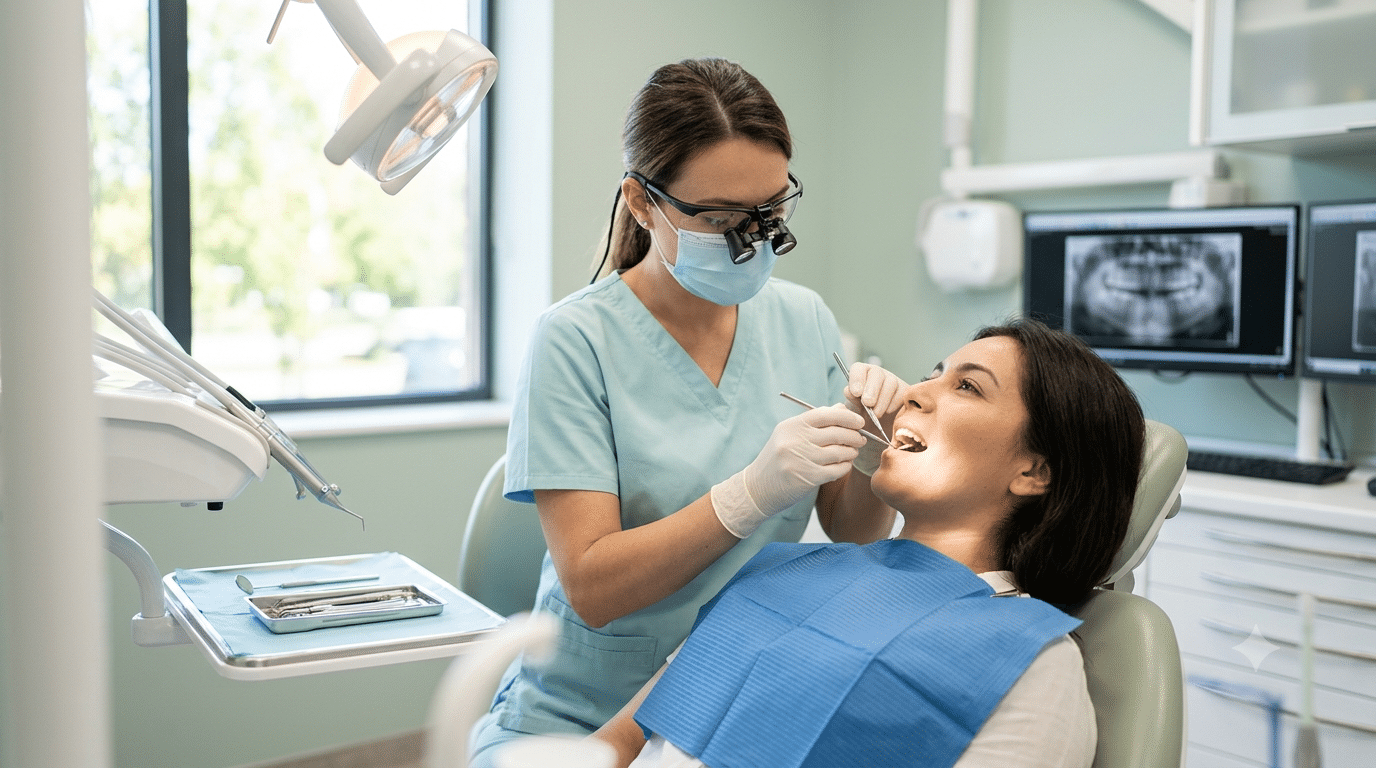
A routine preventive cleaning removes tartar above the gumline. When tartar and bacteria reach below the gumline and cause gum disease, a deep cleaning called scaling and root planing clears the roots and pockets. This is also where a general dentistry exam catches early gum trouble before it spreads.
A few signs point to tartar you cannot handle at home: a rough, crusty texture near the gumline, yellow or brown deposits between your teeth, gums that bleed when you brush, or persistent bad breath. Any of these is a reason to book a cleaning rather than brush harder, since harder brushing will not remove hardened buildup and can wear your enamel.
At Lincolnwood Family Dental, a women-led practice ranked number one in Lincolnwood for August 2025 with more than 700 five-star reviews, cleanings and gum care are handled in-house, including by an on-staff periodontist for advanced cases. The team also treats the youngest patients through children’s dentistry, since plaque habits start early. You can book a cleaning or call 847-610-9272.
Frequently Asked Questions
How often should I brush and floss to control plaque on teeth?
Brush twice a day for two minutes and floss once a day. Plaque begins forming again within hours of cleaning, so a twice-daily routine keeps it from building up. Cleaning between your teeth daily handles the surfaces a brush cannot reach.
Can I remove tartar at home?
No. You can remove soft plaque at home, but once it hardens into tartar, only a dentist or hygienist can take it off. At-home tartar scrapers can damage your gums and enamel, so leave hardened buildup to a professional.
What does plaque on teeth look like compared to tartar?
Plaque is soft and nearly colorless, while tartar is hard and discolored. Plaque feels fuzzy and wipes off with brushing. Tartar looks yellow, brown, or black, feels rough, and stays put until a dental cleaning.
Does mouthwash remove plaque?
Mouthwash helps but does not replace brushing and flossing. An antiseptic rinse reduces the bacteria that form plaque and reaches some missed spots, yet only the physical action of a brush and floss removes the film itself.
How fast does plaque turn into tartar?
Quickly. Soft plaque can begin hardening into tartar within about 24 hours, which is why daily plaque removal matters so much. Once it mineralizes, brushing no longer works and you need a professional cleaning.
This article is for general information and is not a substitute for professional dental advice. See your dentist for a cleaning and personalized care.