
Good oral health is essential for overall well-being. According to the Centers for Disease Control and Prevention (CDC), more than 80% of people in the United States develop a cavity by age 34. Poor oral hygiene can also increase the risk of serious health conditions such as heart disease and diabetes.
Routine dental care plays a key role in prevention. A regular dental cleaning helps remove plaque and maintain healthy gums, while a deep dental cleaning targets bacteria and tartar buildup below the gumline to treat gum disease.
During a dental prophylaxis, your dentist checks for oral conditions and cleans hard-to-reach areas. In some cases, people at risk of infection may receive antibiotics before treatment, though this is now uncommon.
Understanding the difference between regular and deep dental cleanings helps you choose the right care to keep your teeth and gums healthy for life.
Table of Contents
ToggleWhat is Scaling and Root Planing?
Scaling and root planing are commonly known as a deep dental cleaning. It is a nonsurgical procedure designed to treat gum disease by removing plaque and tartar buildup both above and below the gumline. Unlike a regular dental cleaning, which focuses only on the surface of your teeth, this treatment targets the root area to eliminate bacteria that cause inflammation and infection.
According to the Centers for Disease Control and Prevention (CDC), nearly 47% of adults aged 30 years and older show signs of gum disease, making deep dental cleanings an essential preventive measure for many patients.
- During scaling, your dentist or dental hygienist uses specialized instruments to remove hardened deposits from tooth surfaces and under the gums.
- Root planing then smooths the roots, allowing gums to reattach securely and reducing the risk of future bacterial buildup.
This procedure is often the first line of treatment for mild to moderate periodontitis, a condition marked by swollen, tender, or bleeding gums. Both dentists and periodontists perform scaling and root planing to help restore gum health, prevent tooth loss, and maintain long-term oral stability.
Deep Dental Cleaning Treatment Details
A deep dental cleaning typically takes one to two hours. Depending on your oral health and comfort, your dentist may complete the treatment in one session or divide it into two appointments.
Most patients need scaling and root planing only once, followed by regular dental cleanings and consistent home care to maintain gum health. The American Academy of Periodontology notes that proper maintenance after deep cleaning significantly reduces the risk of gum disease returning.
Step-by-Step Deep Dental Cleaning Process
Step 1: Local Anesthesia: Your dentist or hygienist applies a local anesthetic to numb your gums and ensure comfort throughout the treatment.
Step 2: Scaling: Using hand scalers or ultrasonic instruments, they carefully remove plaque and tartar from your teeth’ surfaces.
Step 3: Root Planing: The roots of your teeth are smoothed to eliminate rough areas where bacteria can accumulate. This helps gums reattach firmly to the teeth and reduces pocket depth.
Step 4: Antibiotic Therapy (if needed): In some cases, your provider may place antibiotics around the roots or prescribe oral antibiotics to control infection and promote healing.
Benefits of Deep Dental Cleaning
Removes Bad Breath
Bacteria under the gums cause bad breath. Scaling and root planing remove these bacteria. This makes your breath cleaner and fresher.
Improves Oral and Overall Health
Your mouth affects your whole body. Bacteria from your gums can enter your blood. A deep dental cleaning reduces this risk. It helps lower inflammation in your body.
Prevents Tooth Loss and Gum Recession
Untreated gum disease can loosen your teeth. Deep cleaning removes plaque and tartar early. This protects your gums and keeps your teeth strong.
Reduces the Risk of Gum Disease
Regular cleanings help prevent gum disease from worsening. A deep dental cleaning controls infection and supports healing. It also helps your gums attach firmly to your teeth.
Risks of Deep Dental Cleaning
A deep dental cleaning is safe and effective. Still, it may cause a few temporary side effects.
Mild Bleeding
Some bleeding after cleaning is normal. Tell your dentist if bleeding continues.
Gum Recession
Swollen gums may shrink after the infection heals. You might notice more of your tooth roots.
Infection Risk
Your dentist may prescribe antibiotics if needed. This helps prevent infection and supports healing.
Loose Teeth
Teeth can feel loose after cleaning. This usually improves as gums tighten again.
Tooth Sensitivity
You may feel sensitivity to heat or cold. This should fade within a few weeks.
Gum Tenderness
Your gums might feel sore for a short time. Over-the-counter pain relief can ease discomfort.
What is Dental Prophylaxis?
Dental prophylaxis means keeping your teeth clean and healthy. It involves regular dental checkups and professional cleanings to prevent gum disease and tooth decay. A dental prophylaxis appointment usually takes about one hour. It helps prevent gum infections, cavities, and tooth loss.
The Centers for Disease Control and Prevention (CDC) suggests visiting your dentist at least once a year. Regular visits help detect and treat problems early.
Dental Prophylaxis Procedure
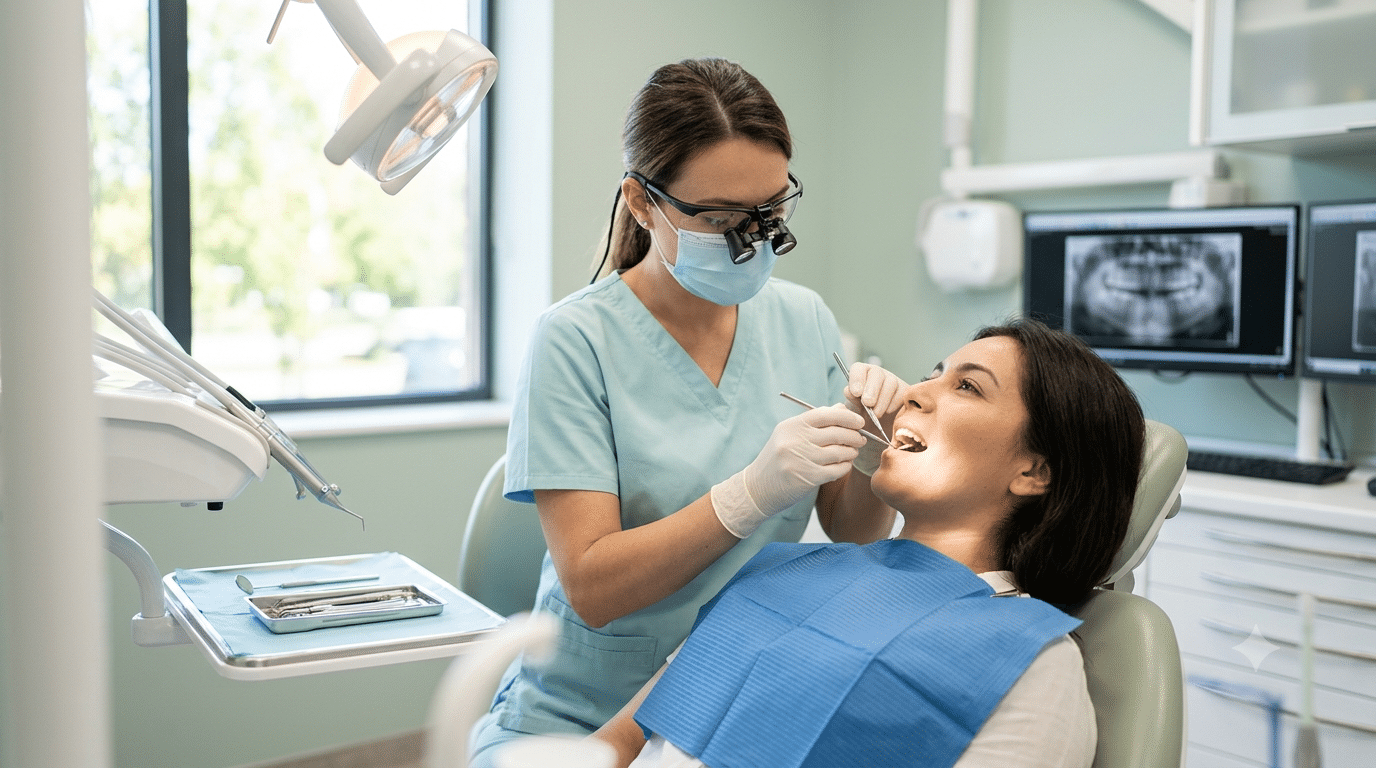
A dental prophylaxis is a routine dental cleaning done to keep your teeth healthy. It helps detect problems early and prevents gum disease.
During the appointment, your dentist or hygienist will:
- Examine your teeth and gums for early signs of damage.
- Take X-rays to look for hidden cavities or infections.
- Use special tools to check for gum disease.
- Remove plaque and tartar buildup from your teeth.
- Examine your tongue, jaw, and neck for signs of oral cancer.
After the exam, your dentist may use a prophylaxis paste to polish your teeth. The paste is applied with a small electric brush to remove bacteria, stains, and minor plaque. This leaves your teeth smooth and shiny.
Polishing is now done carefully to protect enamel. Dentists avoid aggressive polishing to prevent enamel wear. It is performed only when needed to remove surface buildup.
A dental prophylaxis procedure usually takes about one hour. Regular dental cleanings every six months help prevent cavities, gum disease, and tooth loss. Consistent care ensures strong teeth and long-term oral health.
Benefits of Dental Prophylaxis
Dental prophylaxis plays a key role in maintaining oral health. Regular checkups and regular dental cleanings help prevent serious dental problems over time.
1. Prevents Dental Erosion
Your teeth have a strong outer layer called enamel. Over time, acids from food and drinks can wear it down. This is known as enamel erosion. It can cause pain, sensitivity, and tooth decay.
Routine dental prophylaxis appointments help your dentist detect early signs of erosion. Early detection makes treatment easier and less expensive. Regular cleanings also help remove stains and bacteria that contribute to bad breath.
2. Prevents Gum Disease
Gum disease happens when bacteria infect the tissue around your teeth. Plaque hardens into tartar, which is difficult to remove at home. This leads to swollen, tender, or bleeding gums.
During a dental prophylaxis, your dentist removes plaque and tartar buildup. This helps reduce gum inflammation and prevents infection. According to the National Institute of Dental and Craniofacial Research, early gum disease can be reversed with timely professional cleanings.
3. Maintains Fresh Breath
Regular dental prophylaxis removes odor-causing bacteria from the mouth. Clean teeth and healthy gums naturally lead to fresher breath.
4. Detects Dental Problems Early
Regular checkups help your dentist find small issues early. Catching problems like cavities or infections early prevents costly treatments later.
Deep Dental Cleaning vs Regular Cleaning: Key Differences
Feature | Regular Dental Cleaning | Deep Dental Cleaning (Scaling and Root Planing) |
Purpose | Prevents plaque buildup and maintains oral health. | Treats gum disease and removes bacteria below the gumline. |
Depth of Cleaning | Cleans tooth surfaces above the gums. | Cleans deep under the gums and around tooth roots. |
Procedure Steps | Includes scaling, polishing, and fluoride treatment. | Includes scaling, root planing, and sometimes antibiotic treatment. |
Pain or Discomfort | Usually painless and needs no anesthesia. | May require local anesthesia for comfort. |
Frequency | Recommended every six months. | Done only when gum disease is present. |
Duration | Takes about 30–60 minutes. | Takes 1–2 hours, sometimes split into two visits. |
Cost | Lower and often covered by insurance. | Higher due to longer treatment and complexity. |
Recovery | No recovery time needed. | Gums may feel tender for a few days. |
When to Make an Appointment
You should visit your dentist if something feels off. Don’t wait until your next regular dental cleaning. Early care helps prevent bigger dental problems later.
Make an appointment if you notice:
- Sensitivity to hot or cold foods.
- Bleeding gums while brushing or flossing.
- Puffy or swollen gums.
- Persistent bad breath or bad taste.
- Pain or swelling in the mouth or jaw.
- A sore that doesn’t heal.
- Changes in your mouth during pregnancy.
About Lincolnwood Family Dental
At Lincolnwood Family Dental, we believe every patient deserves exceptional care in a calm, welcoming space. Our mission is to make dental visits comfortable, personalized, and stress-free.
We offer comprehensive dental care, including preventive and cosmetic dentistry, dental implants, Invisalign, crowns, dentures, kids’ dentistry, and emergency care. Whether you need a regular or deep dental cleaning, our skilled team ensures gentle, effective treatment every time.
We proudly accept all PPO dental insurance plans, including Aetna, Cigna, Delta Dental, Guardian, MetLife, Humana, and more. Our staff helps you understand and maximize your insurance benefits with ease.
Frequently Asked Questions
Is a dental deep cleaning ever really necessary?
Yes. A deep dental cleaning is needed if you have gum disease. It removes bacteria under the gums and prevents further infection.
How much is a deep dental cleaning for adults?
The cost of dental deep cleaning depends on your gum condition and your insurance coverage. Your dentist can provide an exact estimate after an exam.
How often should I get a regular dental cleaning?
Most people need a regular dental cleaning every six months. Your dentist may suggest more frequent visits if you have gum problems.
How long does a regular dental cleaning take?
A regular dental cleaning usually takes about 30–60 minutes. It may take longer if you have more plaque buildup.
Does dental insurance cover deep cleaning?
Many PPO dental insurance plans cover deep dental cleaning, either partially or fully. Always check your plan details before your visit.